
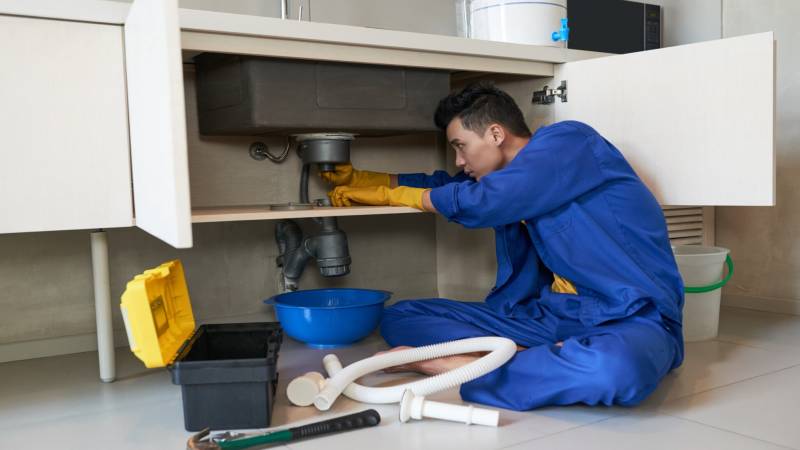
Plumbing problems often begin with small warning signs. A faucet drips occasionally, a drain becomes slower, or the water pressure suddenly feels different.
It can be tempting to ignore these issues while everything still appears to work. However, some minor symptoms can indicate developing problems elsewhere in the plumbing system.
Recognizing common warning signs can help homeowners address problems before they cause water damage, disrupt essential services, or require more extensive repairs.
Recurring Drain Problems
Almost every household experiences a slow drain occasionally.
Hair, soap residue, grease, food particles, and other debris can gradually accumulate inside pipes. A simple blockage near the drain opening may sometimes be cleared with basic maintenance.
Recurring problems deserve more attention.
If a sink, shower, or bathtub repeatedly becomes slow after being cleared, the obstruction may be deeper in the drainage system.
Several slow drains appearing at the same time can also indicate a larger drainage issue.
Instead of repeatedly treating the symptom, it may be necessary to identify what is causing the blockage.
Low Water Pressure
Low water pressure can make showers, faucets, and appliances frustrating to use.
When the problem affects only one fixture, the cause might be relatively simple. A clogged faucet aerator or showerhead, for example, can restrict flow.
Whole-house pressure problems can be more complicated.
Leaks, valves, aging pipes, supply issues, or other plumbing conditions may affect pressure throughout a property.
Pay particular attention to sudden changes. If water pressure was previously normal and drops unexpectedly, investigating the cause can help identify a developing plumbing problem.
Dripping Faucets
One dripping faucet may not appear serious, but the wasted water accumulates over time.
Faucets contain washers, cartridges, seals, and other components that can eventually wear.
Depending on the fixture, replacing the affected component may solve the problem.
However, older faucets can sometimes have corrosion or multiple worn components. In those cases, replacing the fixture may make more sense than repeatedly repairing it.
Check beneath the sink as well. A small leak from a connection or supply line can cause damage inside cabinets before it becomes obvious elsewhere.
Running Toilets
A toilet that continues running after it has been flushed can waste a surprising amount of water.
The problem may involve the flapper, fill valve, float, or another internal component.
Many toilet mechanisms are relatively straightforward, but persistent problems should still be addressed.
Homeowners should also watch for water around the toilet base.
Moisture on the floor could indicate a problem with a seal or connection. If ignored, repeated exposure to water can damage flooring and materials underneath the fixture.
Hidden Leaks
Some of the most damaging plumbing leaks are the ones homeowners cannot immediately see.
Pipes often run behind walls, beneath floors, and through ceilings.
Watch for unexplained water stains, damp areas, peeling paint, damaged drywall, musty smells, or unexpected increases in water consumption.
These symptoms can indicate that water is escaping somewhere inside the property.
Hidden leaks should be investigated promptly. The longer building materials remain wet, the greater the potential for deterioration and additional repairs.
Water Heater Problems
A reliable supply of hot water is easy to take for granted until something goes wrong.
Common warning signs can include inconsistent temperatures, insufficient hot water, unusual sounds, visible leaks, or changes in the appearance of the water.
Water heater problems should not automatically be treated as DIY projects.
Depending on the equipment, the system can involve electricity, gas, high temperatures, and pressurized water.
Regular maintenance can help extend equipment life, but aging or repeatedly failing systems may eventually require replacement.
Unusual Plumbing Noises
Plumbing systems make some normal sounds, but new or unusually loud noises deserve attention.
Banging pipes, persistent rattling, gurgling drains, or whistling fixtures can indicate different problems.
The timing of the sound can provide useful clues.
For example, a noise that occurs when a valve closes may have a different cause from gurgling that appears when a sink drains.
Try to identify where the sound comes from and what plumbing activity triggers it.
Providing this information can make professional diagnosis easier.
Problems During Home Renovations
Kitchen and bathroom renovations frequently involve plumbing changes.
Moving sinks, showers, toilets, dishwashers, or other fixtures can require modifications to both water and drainage lines.
These changes should be carefully planned before walls, cabinets, tile, and flooring are completed.
A plumbing mistake hidden behind a newly finished wall can be considerably more expensive to correct later.
If a renovation requires significant changes to existing pipes, involving a plumber during the planning and rough-in stages can help prevent conflicts with other construction work.
Know When to Call a Professional Plumber
Some minor maintenance tasks can be handled by homeowners, but recurring or complicated problems usually require proper diagnosis.
Persistent leaks, repeated drain blockages, significant pressure changes, water heater problems, and modifications to existing plumbing are examples where professional assistance may be appropriate.
When the same plumbing problem keeps returning, professional diagnosis can help identify whether the visible symptom is being caused by a larger issue elsewhere in the system. Homeowners in Brookfield can also benefit from having experienced plumbers assess problems involving pipes, drains, fixtures, water heaters, and other parts of the home’s plumbing system.
The objective should be to identify and correct the cause rather than repeatedly dealing with the same symptom.
Prevent Problems Before They Become Emergencies
Not every plumbing failure can be prevented, but homeowners can reduce unnecessary risks.
Pay attention to changes in water pressure and drainage speed. Investigate unexplained moisture instead of assuming it will disappear.
Avoid putting cooking grease, inappropriate food waste, wipes, and other problematic materials into drains.
It is also important to know where the property’s main water shutoff is located.
If a pipe suddenly bursts or another major leak occurs, shutting off the water quickly can significantly reduce damage while professional assistance is arranged. See more.
Frequently Asked Questions
What are the most common home plumbing problems?
Common issues include dripping faucets, clogged drains, running toilets, low water pressure, leaking pipes, and water heater problems.
When should I call a plumber for a clogged drain?
Professional help may be appropriate when a blockage repeatedly returns, several drains are affected, or basic methods fail to restore normal drainage.
Why did my water pressure suddenly decrease?
Possible causes include leaks, valves, supply problems, clogged fixtures, or issues within the home’s piping. A sudden whole-house change should be investigated.
Is a dripping faucet worth repairing?
Yes. Even a small continuous drip wastes water and may become worse as internal components continue to wear.
How can I identify a hidden plumbing leak?
Warning signs include water stains, damp areas, peeling finishes, musty odors, unexplained increases in water use, and changes in pressure.
Why is my toilet constantly running?
A running toilet can result from problems with the flapper, fill valve, float, or other internal components.
Should a plumber be involved in a bathroom renovation?
A plumber should generally be considered when the project involves relocating fixtures or modifying water and drainage lines.
What should I do if a pipe bursts?
Turn off the main water supply when it is safe to do so, protect belongings from further water exposure where possible, and arrange professional plumbing assistance.