
Residential plumbing fixtures
Now, how do you know you don’t have a leak you can’t see? Take a photo of your water meter, make sure no water is being used, and check the reading 30 minutes later. If it has changed, you may have a leak.
Signs That Mean Don’t Wait
Emergencies, like active leaks and sewer backups, require immediate attention. Limit the impact of the issue by turning off the nearest shut-off valve and move anything out of the way. In many cases, you won’t have to do much beyond that to contain your problem. However, it may be easy to overlook other signs that require a call to a plumbing professional. These include:
- standing water that isn’t the result of recent spills
- gurgling or unusual sounds coming from your plumbing
- recurring clogs in a single or multiple drains or toilets
- water stains, peeling paint, or soft walls and floors around sinks, toilets, or water heaters
- smells coming from drains or toilets
- your water heater intermittently working properly or not at all
What Happens During the Visit
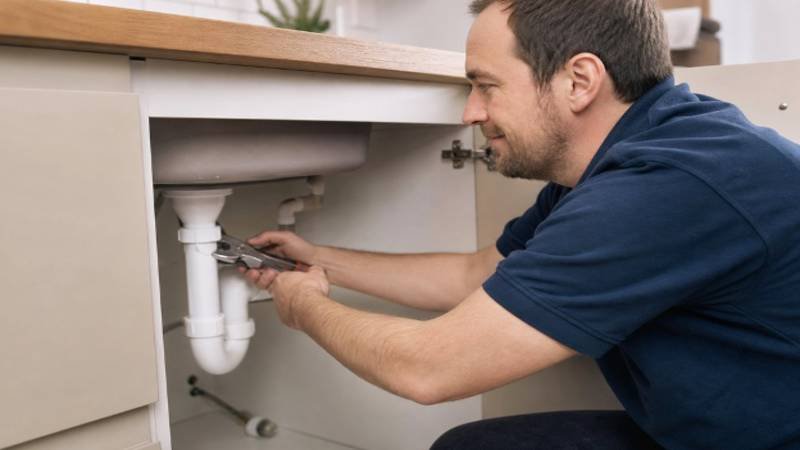
During the visit, the plumber will inspect your pipes, check connections, and make sure that the water is flowing at normal pressure. If any of those factors are inconsistent with your expectations, it is possible you have corroded, worn, or damaged components in your system that need to be replaced.
In most cases, the reason for a problem isn’t necessarily related to where the visible signs appear. For example, the location of a leak may have nothing to do with a crack or break in a pipe. Additionally, a gurgling sink or a recurring clog could be due to a drain that isn’t angled properly or has roots growing into it.
Where DIY Stops
Household plumbing tools
In many cases, the answer to that question is: it depends. Some fixes, like installing a new showerhead (I bookmarked CNET /home for this), cleaning out your drain stopper, or checking to make sure all of the valves are in the correct position, are easy enough for you to manage yourself. Other situations can prove more difficult and can even result in more costly damages when you don’t have the appropriate tools or knowledge.
If you see a leak coming from the base of your toilet, if you have no water pressure in the whole house, if you need to work with a gas-powered appliance, if you want to install a new water heater, or if you need to reroute any pipes in your home, hire a professional. If you are confident you can repair the situation, be aware that an unsuccessful repair can lead to broken pipes, leaks behind walls, or stripped threads.
It’s important to remember that different repairs require different approaches. The type of material used for your plumbing and the age of your plumbing are important considerations. For example, older galvanized piping is likely to have built up mineral deposits that reduce the amount of water flow you can get, or plastic supply lines may become brittle with age. The right plumber should be able to tell you if a spot repair is enough or if you should consider replacing sections of pipe so that you don’t have to keep making calls for repairs.
Some larger projects may require a permit. Water main projects, sewer line projects, gas line connections, or projects that involve moving fixtures may require a permit. Check with your municipality. Permits help protect home values, and make sure all work is up to safety codes.
We strive to begin diagnosing your issue as soon as we arrive. To help with this, please ensure that the area around your fixture, water heater, or cleanout (where applicable) is clear, if possible.
Also, keep pets in another room and have a sense of when the problem first occurred.
Getting Ready for the Appointment
When you call your plumber, have basic information handy to expedite the repair and give the technician a sense of what’s happening. This can save you money, because it ensures the right supplies and equipment are on hand. For example, if you don’t have an active leak but have noticed moisture or smells coming from the same place, describe the symptoms. Let them know the issue comes and goes, rather than is a constant problem. You can also take photos to help describe what’s going on and include them in an email or other message. For local service details from 1-Tom-Plumber, click here before you make the call.
When your technician arrives on the scene, ask what he or she is planning to do. Make sure you understand the cost, and get it in writing before any work begins. This contract should describe exactly what is included in the work, any warranties, cleanup, and other pertinent details. Once repairs are complete, make sure to keep track of the situation over the next several days. Save the records from your visit for your files.
In many cases, a small leak or drain backup doesn’t merit an emergency call to your plumber. However, even small leaks can lead to bigger problems and more expensive repairs down the line. See more.