
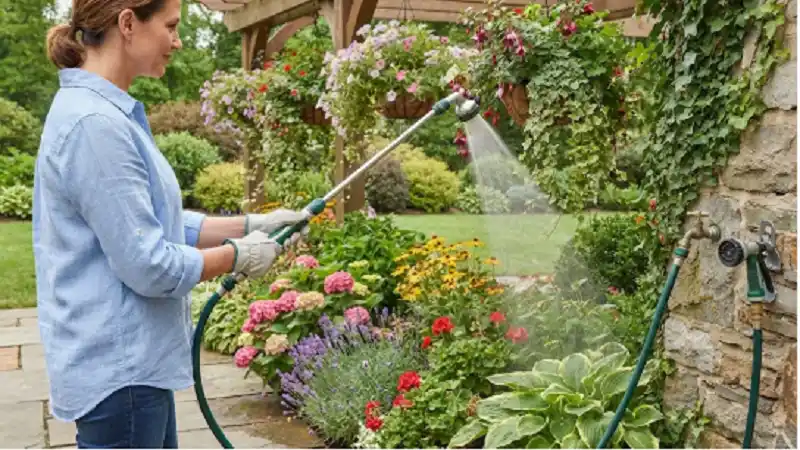
A thriving garden is the culmination of patience, soil preparation, sunlight management, and—most importantly—consistent, precise hydration. Whether you are nurturing a sprawling suburban lawn, arranging vibrant hanging baskets on your front porch, or cultivating delicate perennials in deeply layered flower beds, water is the lifeblood that sustains your landscape. Yet, every gardener knows that the daily ritual of watering can quickly shift from a therapeutic outdoor escape into a tedious physical chore if the right tools are not in place.
Achieving lush, healthy outdoor spaces requires more than simply turning on the tap and spraying water indiscriminately. Different plants have vastly different root depths, soil absorption rates, and moisture sensitivities. To protect your investment of time and energy, you need to understand the nuances of outdoor watering, implement smart irrigation habits, and equip yourself with durable, high-performance accessories like a reliable garden hose wand and a versatile garden hose nozzle.
The Philosophy of Plant Watering: Depth Over Frequency
One of the most common mistakes novice and even experienced gardeners make is giving their plants frequent, shallow drinks. When you water your garden lightly every day, moisture only penetrates the top surface of the soil. Consequently, plant roots remain shallow because they do not need to search deeper for moisture. This makes your plants exceptionally vulnerable to drought stress, scorching midday heat, and sudden weather shifts.
Encouraging Deep Root Growth
To build resilient, drought-tolerant plants, adopt a philosophy of deep, infrequent watering. Deep watering encourages roots to grow downward in search of moisture, anchoring the plant more securely and tapping into sub-surface nutrients.
- Vegetables and Annuals: Generally require about 1 inch of water per week, delivered in one or two deep soakings rather than daily sprinkles.
- Established Perennials and Shrubs: Benefit from slow, targeted soaking at the base of the plant, ensuring water reaches the root zone 6 to 12 inches below the surface.
- Lawns: A thorough soaking once or twice a week (depending on rainfall and seasonal temperatures) is far more effective than running sprinklers for ten minutes every single day.
Timing Matters: When to Water Your Garden
When you water is just as important as how much water you provide. The ideal time to water your garden is early in the morning—between 4:00 AM and 8:00 AM.
Morning watering offers several distinct advantages:
- Reduced Evaporation: Temperatures are cooler, and winds are typically calmer, allowing more water to soak directly into the soil rather than evaporating into the atmosphere.
- Disease Prevention: Watering in the morning ensures that any foliage accidentally splashed during the process dries quickly under the rising sun. Wet leaves left overnight create a breeding ground for fungal diseases like powdery mildew, black spot, and blight.
- Heat Stress Preparation: Plants hydrated in the morning are fully charged and ready to withstand the intense afternoon heat and transpiration demands of the sun.
If morning watering is impossible, late afternoon or early evening is your next best option, provided you water the soil directly rather than drenching the leaves.
Overcoming Landscape Challenges: Hanging Baskets and Hard-to-Reach Plants
Every garden layout features unique micro-environments and spatial challenges. Designing a gorgeous landscape is only half the battle; maintaining it requires navigating awkward angles, elevated containers, and dense vegetation.
The Hanging Basket Dilemma
Hanging baskets add vertical dimension, vibrant color, and architectural interest to patios, porches, and pergolas. However, because they are elevated and exposed to wind and sun on all sides, they dry out drastically faster than ground-level plantings—sometimes requiring twice-daily watering during peak summer months.
Watering hanging baskets with a standard, short nozzle often leads to awkward stretching, strained shoulders, and water splashing onto your porch furniture or walls. An extended garden hose wand solves this problem effortlessly. By providing an extra two to three feet of reach, a watering wand allows you to comfortably place the spray head directly over the rim of the basket, directing a gentle shower downward onto the soil without missing the edges or damaging delicate trailing blooms like petunias, fuchsias, and trailing ivy.
Reaching Deep Flower Beds and Dense Shrubs
Mature flower beds and dense perennial borders are visual masterpieces, but they present a physical barrier when it comes to hydration. Stepping directly into a bed to reach thirsty plants at the back can compact the soil, crush emerging shoots, and break delicate flower stems.
Instead of trampling your carefully manicured mulch, you can stand safely on your pathway and use a long-reach tool to deliver water precisely where it is needed. Directing water to the base of the plants prevents unnecessary wetting of upper foliage, keeping your flowers looking pristine and disease-free.
Equipping Your Arsenal: Choosing the Right Watering Tools
The transition from a frustrating watering session to an enjoyable gardening experience often hinges on the quality of your equipment. Flimsy plastic connectors, leaking triggers, and restricted water flow can turn a peaceful morning routine into a wet, frustrating ordeal. Investing in robust, ergonomic tools engineered for longevity and performance is essential for every gardener.
The Power of the Garden Hose Wand
A high-quality garden hose wand is arguably the most versatile tool in a gardener’s shed. Designed with ergonomic handles, lightweight aluminum or stainless steel shafts, and adjustable pivot heads, a good wand bridges the gap between distance and delicacy.
When shopping for or utilizing a watering wand, look for key features that enhance usability:
- Multiple Spray Patterns: From a gentle, rain-like shower for delicate seedlings to a powerful jet stream for cleaning patio stones, pattern versatility is a must.
- Flow Control Valves: Built-in thumb controls or rear-facing levers allow you to adjust water pressure instantly without walking back to the spigot.
- Ergonomic Insulation: Rubberized handgrips protect your hands from freezing cold water in spring and autumn, while reducing hand fatigue during long watering sessions.
For homeowners looking to upgrade their setup with professional-grade durability and ergonomic precision, exploring specialized collections such as a premium garden hose wand can provide innovative solutions tailored to modern landscaping needs.
The Precision of the Garden Hose Nozzle
While wands excel at reach, a heavy-duty garden hose nozzle is unmatched for general-purpose yard maintenance, car washing, cleaning patio furniture, and targeted spot-watering.
A well-designed nozzle should offer robust metal construction, leak-proof rubber seals, and an easy-to-use trigger mechanism that locks in place to prevent hand cramping. Whether you need a fine mist for newly seeded lawn patches or a robust cone spray for soaking thirsty shrubs, your nozzle should transition smoothly between tasks with a simple twist or click.
To ensure your watering toolkit covers every possible landscape requirement, pairing your wand with a reliable garden hose nozzle guarantees that you have the exact water pressure and spray pattern required for any outdoor chore.
Best Practices for Specific Garden Zones
Different areas of your outdoor living space demand tailored watering strategies. Let’s break down how to optimize hydration across your lawn, flower beds, and container gardens.
1. Lawn Care and Turf Management
Lawns consume a significant portion of residential outdoor water, making efficiency paramount.
- Measure Your Output: Place empty tuna cans around your lawn while running your sprinklers or hose. Time how long it takes to collect one inch of water, and use that as your baseline for future watering sessions.
- Aerate Regularly: Compacted soil prevents water from sinking to the roots, leading to runoff. Annual aeration allows water, air, and nutrients to penetrate deeply.
- Adjust Height of Cut: Mow your grass a bit higher during the summer months. Taller grass blades shade the soil, reducing evaporation and encouraging deeper root systems.
2. Vibrant Flower Beds
Flower beds are the crown jewels of any landscape, but annuals and perennials have diverse root structures.
- Group by Moisture Needs: Plant drought-tolerant perennials (like lavender and coneflowers) away from moisture-loving plants (like hostas and ferns) so you don’t over- or under-water specific zones.
- Apply Organic Mulch: A 2-to-3-inch layer of shredded bark or compost mulch acts as a protective blanket, suppressing weeds and retaining critical soil moisture during scorching summer weeks.
- Water at the Base: Use a wand or bubbler attachment to soak the soil directly around the plant roots, avoiding overhead spraying that can bruise delicate petals.
3. Hanging Baskets and Container Gardens
Containers dry out exceptionally fast because their soil volume is limited and exposed to drying winds.
- Check Soil Moisture Daily: Push your finger an inch into the potting mix. If it feels dry, it’s time to water.
- Water Until Drainage Occurs: Always water until you see excess moisture flowing freely out of the drainage holes at the bottom of the container. This ensures the entire root ball is saturated and flushes out any salt buildup from fertilizers.
- Use Water-Retaining Additives: Incorporating water-absorbing crystals or organic matter like peat moss or coconut coir into your potting mix can significantly improve moisture retention.
Maintaining Your Watering Equipment
Investing in high-quality watering tools is only half the equation; proper maintenance ensures they perform season after season without leaks, clogs, or failures.
- Inspect O-Rings and Washers: Rubber washers inside your hose connectors and nozzle fittings wear out over time, leading to annoying leaks and wasted water. Keep a pack of replacement washers on hand and swap them out annually.
- Clear Mineral Deposits: If you live in an area with hard water, mineral scale can clog the tiny holes in your nozzle or wand spray head. Soak the head in a 50/50 solution of white vinegar and water for thirty minutes, then scrub gently with a soft brush.
- Drain Before Freezing: Never leave your hoses, wands, or nozzles attached to outdoor spigots during freezing winter conditions. Water trapped inside metal or plastic components expands as it freezes, causing cracks and structural failure. Drain all equipment completely and store them in a shed or garage for the winter.
Conclusion
Mastering outdoor watering is an art form that blends botanical knowledge with the right mechanical tools. By shifting to deep, infrequent watering, timing your sessions for early morning, and tackling tricky areas with an extended garden hose wand and a versatile nozzle, you can transform your yard into a lush, resilient sanctuary.
Take the time to assess your garden’s unique needs, upgrade your equipment for maximum comfort and efficiency, and enjoy the profound satisfaction of watching your lawn, flower beds, and hanging baskets flourish under your care.
See More: HoMenuMental