
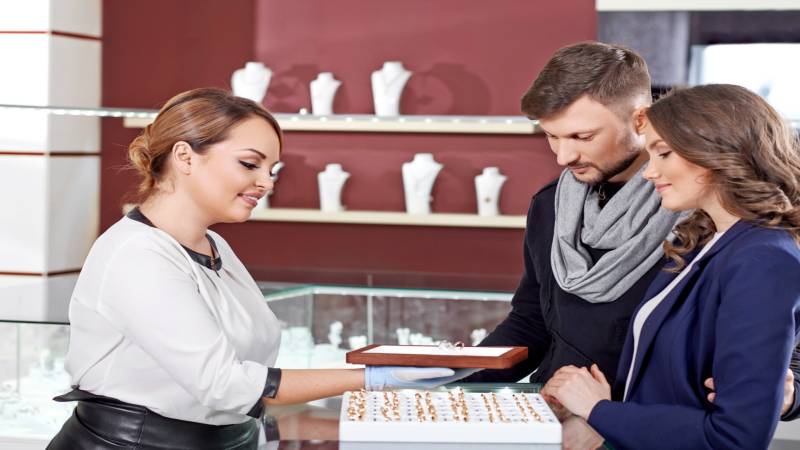
Across Arizona, more people are taking a fresh look at the gold and diamond pieces sitting unused in their homes and realizing they may hold meaningful cash value. Strong precious metal prices, changing consumer habits, and a growing comfort with resale have all contributed to this shift. What once stayed tucked away for years is now being evaluated through a more practical financial lens. When an unworn ring or broken chain could help fund travel, reduce debt, or simply declutter a home, it is no surprise that interest in jewelry resale continues to rise.
Jewelry Resale Is Booming Across the Country
Across the United States, jewelry resale has moved from a niche activity into a mainstream financial decision. Many households are taking a closer look at unused valuables and realizing they represent dormant cash rather than sentimental keepsakes. High gold prices over the past few years have played a major role in this shift, making even small or broken items worth evaluating. At the same time, the broader resale economy, from luxury handbags to electronics, has normalized the idea of selling previously owned goods.
Consumer behavior has also evolved as information has become easier to access. With spot gold prices and diamond education widely available online, sellers feel more informed and confident than in the past. Younger generations in particular tend to view jewelry more as a flexible asset than a permanent heirloom. When people can quickly check approximate values from their phones, why let unused pieces sit in a drawer? This growing transparency continues to fuel steady growth in the resale market nationwide.
Why Arizona Has Become a Hotspot for Jewelry Sellers?
Arizona stands out as an especially active market for jewelry resale, largely because of its unique demographics. The state has a significant retiree population, and many long-time residents possess decades’ worth of accumulated jewelry. Estate transitions and downsizing decisions frequently bring older collections back into circulation. This creates a consistent supply of gold and diamond pieces entering the secondary market.
Seasonal residents also contribute to the trend. During winter months, many part-time residents review belongings in their Arizona homes and decide to liquidate items they no longer use. The state’s strong luxury culture in metro areas further supports a healthy resale ecosystem. With multiple buyers competing for inventory, sellers often benefit from more competitive offers. In markets with active demand, informed sellers typically have more leverage than they realize.
What’s Driving People to Cash In Their Jewelry
Economic pressure is one of the most common motivators behind jewelry resale. Rising living costs and persistent inflation have pushed many households to look for practical ways to free up cash. Selling unused gold or diamond pieces can provide immediate liquidity without taking on debt. For many families, this feels like a financially responsible move rather than a last resort.
Market timing also plays a psychological role. When gold prices trend upward, owners become more aware of the potential value sitting in their jewelry boxes. Some sellers ask themselves whether holding onto unused items still makes sense when prices are relatively strong. Others are motivated by life events such as travel plans, home improvements, or major purchases. In many cases, jewelry resale is less about urgency and more about smart financial housekeeping.
How Attitudes Toward Jewelry Are Changing
Cultural attitudes around jewelry ownership have shifted noticeably over the past decade. While previous generations often held onto pieces indefinitely, many modern consumers take a more practical view. Minimalism and decluttering trends have encouraged people to reassess what they truly use and value. If a piece hasn’t been worn in years, some owners begin to question its purpose.
There is also less automatic pressure to pass down every inherited item. Families today often prefer to keep a few meaningful pieces and sell the rest to fund more immediate goals. Increased comfort with resale platforms and professional buyers has reduced the stigma that once surrounded selling jewelry. As education improves, sellers better understand the difference between emotional value and market value. This more pragmatic mindset continues to reshape the resale landscape.
Why Mary Sellers Prefer Working With Local Arizona Buyers?
Many Arizona residents favor local buyers because the process tends to feel more transparent. Face-to-face evaluations allow sellers to watch testing procedures in real time, which can build trust. Immediate payment is another major advantage compared to some remote selling options. For people who value clarity and speed, local transactions often feel more straightforward.
Local competition can also work in the seller’s favor. In active metro areas, multiple buyers may be interested in the same types of inventory. This gives informed sellers the opportunity to compare offers and negotiate more effectively with jewelry buyers in Scottsdale and Phoenix. Convenience plays a role as well, especially for those selling estate collections or multiple items. When the process is both competitive and accessible, many sellers find local options appealing.
The Pieces Arizona Sellers Are Bringing In Most Often
Gold jewelry remains the most commonly sold category in Arizona. Chains, bracelets, and broken gold items frequently appear because their value is closely tied to metal weight. Many sellers are surprised to learn that condition matters less for pure gold than it does for fashion jewelry. Even single earrings or damaged pieces can carry measurable melt value.
Diamond engagement rings, especially older styles, also make up a significant share of resale activity. Tastes evolve, and designs that were popular decades ago may no longer match current preferences. Estate jewelry collections often enter the market after inheritances or household downsizing. Designer pieces and luxury watches can attract strong interest when documentation is available. Altogether, the resale stream reflects a mix of practical cleanouts and generational transitions.
What Actually Happens When You Sell Your Jewelry
The resale process typically begins with an in-person or mailed evaluation, where buyers test metal purity and examine gemstones. Gold is usually assessed through weight and karat verification, while diamonds are evaluated using the well-known quality factors of cut, color, clarity, and carat weight. Many sellers are surprised to learn that resale value often differs significantly from retail pricing. Understanding this gap helps set realistic expectations early in the process.
Offers are generally based on current market conditions rather than historical purchase prices. Appraisals prepared for insurance purposes often reflect replacement value, which can be much higher than resale value in the secondary market. Once a seller accepts an offer, payment is typically issued quickly, often the same day in local transactions. The entire process can be straightforward when expectations are aligned and documentation is available. Clear communication on both sides usually leads to smoother outcomes.
Costly Mistakes First-Time Sellers Often Make
One common mistake is failing to check current gold or diamond market trends before seeking offers. Even a basic understanding of spot gold pricing can help sellers recognize whether a quote is within a reasonable range. Another frequent misstep is accepting the first offer without comparison. Would you sell a car after speaking with only one buyer? The same logic applies to jewelry resale.
Confusion between appraisal value and resale value also leads to unrealistic expectations. Insurance appraisals often reflect retail replacement costs, not what buyers can pay in the secondary market. Some sellers also overlook the potential premium attached to designer or branded pieces. Finally, choosing buyers without verifying reviews or credentials can lead to poor experiences. A little upfront research can significantly improve both confidence and outcomes.
Conclusion
Jewelry resale in Arizona reflects a broader move toward smarter asset management and more intentional ownership. With solid market demand, accessible pricing information, and a competitive local buying environment, many residents are finding the process more straightforward than expected. Still, outcomes depend heavily on preparation, realistic expectations, and choosing reputable buyers. For those willing to do a bit of research and compare options, selling unused gold and diamonds can be a practical way to unlock value that might otherwise remain forgotten. See more.