
Interior design trends evolve quickly, but one theme has remained consistent across modern UK homes: the desire for bright, open spaces that feel calm, elegant, and uncluttered. Natural light has become a central design feature, influencing everything from colour palettes to furniture choices. Yet as glazing becomes more prominent in contemporary interiors, homeowners are looking for ways to enhance both style and functionality without compromising the clean aesthetic they love.
This shift has brought an unexpected design element into the spotlight: decorative window film. Once seen purely as a practical upgrade, window film is now being embraced as a stylish, versatile tool for shaping the look and feel of modern living spaces.
A New Approach to Privacy and Style
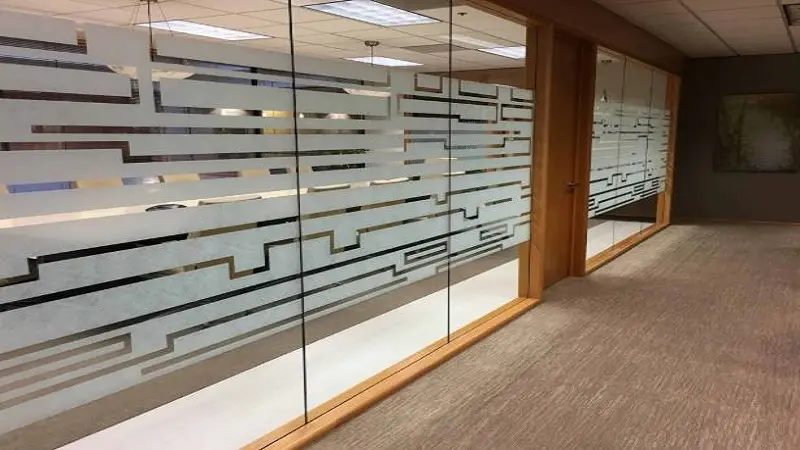
Privacy has always been a consideration in interior design, but traditional solutions like curtains and blinds can feel heavy or outdated in minimalist spaces. Decorative window film offers a fresh alternative — one that provides privacy while enhancing the overall aesthetic of the room.
Designers are increasingly using window film to:
- soften natural light
- add subtle patterns or textures
- create visual separation without blocking space
- introduce modern, understated design elements
- maintain brightness while improving privacy
The result is a more refined, cohesive interior that feels both stylish and functional.
Why Decorative Window Film Fits Modern Décor Trends
Today’s interior design trends prioritise simplicity, natural light, and clean lines. Window film aligns perfectly with these principles.
1. Minimalist Aesthetics
Modern homes often favour uncluttered spaces with neutral tones and simple materials. Window film blends seamlessly into this style, adding privacy or texture without introducing bulk or visual noise.
2. Soft, Diffused Light
Harsh sunlight can disrupt the atmosphere of a room. Frosted and patterned films diffuse light beautifully, creating a soft glow that enhances the mood of the space.
3. Versatility Across Design Styles
Whether the home leans toward Scandinavian minimalism, contemporary luxury, or Japandi calm, window film complements a wide range of aesthetics.
4. A Clean Alternative to Curtains
For homeowners who prefer open windows and unobstructed views, window film offers privacy without the need for fabric treatments.
A Design Tool for Creative Room Separation
Open‑plan living has become a hallmark of modern UK homes, but it can sometimes blur the boundaries between functional areas. Decorative window film is increasingly being used to create subtle separation without closing off space.
Designers use it to:
- define a home office corner
- add privacy to a bathroom window
- separate a dining area from a hallway
- create a feature wall effect on glass partitions
- add interest to internal doors or room dividers
This approach maintains the open feel of the home while adding structure and visual interest.
Patterns, Textures, and Finishes That Elevate Interiors
One of the biggest advantages of decorative window film is the variety of styles available. Homeowners can choose from:
- frosted finishes
- geometric patterns
- linear textures
- gradient designs
- etched‑glass effects
- subtle decorative motifs
These options allow window film to act as a design feature rather than just a functional upgrade.
Frosted Film
Perfect for bathrooms, bedrooms, and entryways — soft, elegant, and timeless.
Geometric Patterns
Ideal for modern interiors that want a touch of personality without overwhelming the space.
Textured Films
Add depth and interest to glass surfaces, creating a high‑end look.
Gradient Designs
Offer privacy at the bottom while keeping the top clear for maximum light.
Enhancing Décor Without Changing the Architecture
One of the biggest challenges in interior design is improving the look and feel of a room without altering the structure. Decorative window film offers a rare opportunity to make a meaningful visual impact without renovation.
It can transform:
- plain windows
- internal glass doors
- shower screens
- glass balustrades
- room dividers
- conservatory panels
Because it’s applied directly to the glass, it becomes part of the design rather than an add‑on.
A Practical Upgrade With Aesthetic Benefits
While decorative window film is often chosen for its style, it also brings practical benefits that enhance everyday living:
- improved privacy
- reduced glare
- UV protection for furniture
- softer natural light
- increased comfort in bright rooms
This combination of beauty and functionality is what makes window film such a compelling choice for modern homeowners.
A Sustainable Choice for Design‑Conscious Homes
Sustainability is becoming a major influence in interior design. Homeowners want materials and upgrades that are long‑lasting, low‑impact, and energy‑efficient.
Window film supports these goals by:
- reducing the need for artificial lighting
- protecting furnishings from UV damage
- improving thermal comfort
- extending the lifespan of interior décor
It’s a small change that contributes to a more sustainable home environment.
Conclusion: Style Meets Function in a Modern Design Essential
Decorative window film is no longer just a practical solution — it has become a design element in its own right. It enhances privacy, elevates aesthetics, and supports the clean, modern look that defines today’s UK interiors.
For homeowners seeking a stylish, versatile, and low‑maintenance way to improve their living spaces, window film offers a contemporary upgrade that blends beauty with everyday functionality. See more