
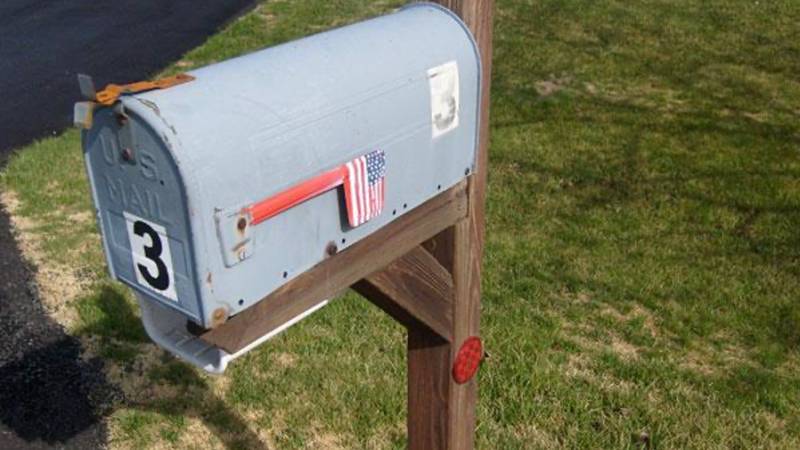
A modern home exterior depends on small details working together, and mailbox numbers carry more visual weight than most homeowners expect. They sit at eye level, near the front entry or curb, and become one of the first elements a visitor reads before stepping onto the property. The right numerals strengthen architectural intent, while mismatched ones quietly undermine an otherwise polished facade. Choosing well requires understanding finish, scale, typography, and how each interacts with the materials surrounding the mailbox itself.
Why mailbox numbers deserve real design attention?
Modern architecture leans on restraint. When a home features clean horizontal lines, large glass panels, or smooth cladding, every accessory near the entry becomes part of the composition. Mailbox numbers either reinforce that restraint or break it. Homeowners often spend months selecting siding colors, light fixtures, and door hardware, then default to whatever house numbers came with the mailbox. That last-minute decision usually shows. Numbers that are too thin, too ornate, or finished in a tone that fights the surrounding hardware will pull the eye in the wrong direction.
Good number selection starts with treating the mailbox as a small architectural element rather than a utility object. Once you accept that framing, the typography, mounting style, and finish choices begin to matter the way door pulls or window trim do. The goal is coherence — a sense that every visible piece belongs to the same design conversation.
What Type of Address Markers Fit a Modern Mailbox Best?
Modern mailbox design depends on clean lines, high contrast, and typography that stays readable from the curb. Thin decorative scripts often disappear against dark finishes, while oversized traditional plaques disrupt minimalist architecture. Contemporary homes usually benefit from individually mounted numerals and lettering that create depth, shadow, and stronger street visibility. Homeowners upgrading a sleek wall-mounted or post-mounted mailbox often choose modern mailbox numbers and letters because the streamlined typography, weather-resistant materials, and architectural finishes align with contemporary exterior design without overpowering the facade.
Stainless steel and matte-black metal remain common choices because both materials resist corrosion and maintain sharp edges after long outdoor exposure. Floating address numbers create subtle shadow lines that reinforce modern architectural styling, especially on smooth stucco, wood slats, or dark composite surfaces. Acrylic lettering works well on smaller mailboxes where lighter weight and cleaner edges matter more than heavy hardware. Visibility also improves when modern address lettering uses wider spacing and thicker sans-serif forms instead of ornate decorative fonts. Delivery drivers identify the address faster, and guests can read the mailbox from greater distance during low evening light. Consistent finish coordination matters too. A mailbox with black trim, exterior sconces, and matching address numerals creates a unified entryway instead of disconnected exterior accessories.
Matching Numbers to Your Exterior Palette
Finish coordination tends to be the step homeowners get wrong most often. A modern home rarely uses more than two or three dominant exterior tones, and address numbers should follow the same discipline. If the front door hardware, gutter trim, and window frames are matte black, brushed nickel numerals will read as an inconsistency rather than an accent. The same logic applies in reverse — satin nickel hardware paired with deep black numbers can look intentional only when the rest of the palette supports it.
Working With Dark Exteriors
Dark stucco, charcoal siding, and black-stained wood are common in modern builds. Against these backgrounds, brushed stainless or polished aluminum numbers offer the clearest contrast and read instantly from the street. Avoid bronze or oil-rubbed finishes here — they tend to muddy against dark surfaces and reduce legibility, which defeats the practical purpose of the numbers in the first place.
Working With Light or neutral exteriors
White stucco, pale brick, and light wood facades give you more flexibility. Matte black is the safest and most architecturally consistent choice, but darker bronze or graphite tones also work well if the rest of the home leans warm. The key is testing the contrast at curb distance, not just up close. Numbers that look striking from three feet away can become illegible from thirty.
Typography and Scale
Sans-serif typefaces remain the standard for modern address numbers, and within that category, geometric and humanist forms dominate. Geometric numerals — think Futura-inspired shapes with circular zeros and clean strokes — work well on highly minimalist homes. Humanist sans-serifs, which carry slightly more variation in stroke weight, suit homes with warmer modern styling, such as those that mix wood and metal cladding. Either approach reads better than condensed or ultra-thin numerals, which lose definition at distance.
Scale is the other variable people underestimate. A four-inch numeral might look correct sitting on a desk, but mounted on a mailbox at curb height, it often disappears. Five to six inches tends to be the sweet spot for post-mounted mailboxes, while wall-mounted units near a front door can typically support slightly smaller sizes because viewers approach them at closer range. When in doubt, size up. A modern home can absorb confident, larger numerals far better than it can hide undersized ones.
Coordinating With the Broader Entry Design
Mailbox numbers do not exist in isolation. They sit within a sequence of exterior touchpoints — the driveway, walkway lighting, planters, the door itself — that should feel like a single curated experience. Designers who think about the entry as a continuous visual story tend to make better hardware choices than those who select pieces in isolation. For a deeper look at how exterior elements connect into a cohesive whole, this guide on designing a cohesive exterior look from driveway to rooftop walks through the layered decisions that bring an entryway together.
Practically, this means deciding on a finish family early. If you commit to matte black across door hardware, sconces, and gutter trim, your address numbers should land in that family too. Small deviations are fine — a slight sheen difference between brushed and matte black reads as texture rather than inconsistency — but jumping between metal families introduces visual noise that modern design works hard to eliminate.
Mounting Style and Installation Considerations
Float-mounted numbers, where each numeral sits a half-inch off the surface on hidden standoffs, have become the defining detail on contemporary mailboxes and entryways. The shadow line they cast adds dimension that flush-mounted numbers cannot replicate. The trade-off is installation precision — float mounts require careful drilling and spacing, and a crooked installation is far more visible than it would be on a flat plaque.
For homeowners who prefer a simpler install, flush-mount numbers with adhesive backing offer a reasonable middle ground, particularly on smaller or wall-mounted mailbox units. The visual impact is less dramatic, but on a clean white or wood surface, the silhouette of a quality flush numeral still reads as deliberate and modern. Houzz published a helpful overview of sleek mailbox designs that welcome you home, which is worth browsing for visual reference before committing to a specific mounting approach.
A Note on Quality and Sourcing
There is a meaningful difference between mass-produced address numbers from a hardware-store bin and architecturally finished numerals designed for outdoor exposure. The former typically use thin stamped metal that warps in heat, fades within a season, or loses its finish to UV exposure. The latter are usually cast or machined from solid material, with finishes engineered to hold up across years of weather. For a modern home, where every detail is visible, the difference becomes obvious quickly. Investing in well-made numerals is one of the lower-cost upgrades that consistently pays back in curb appeal.
About Modern House Numbers
Modern House Numbers has built its reputation around architecturally minded address hardware. The brand focuses on numerals and lettering that respect contemporary design language — clean typography, durable finishes, and mounting systems that produce the precise shadow lines modern homes are known for. Their catalog covers a range of finishes, from brushed stainless and matte black to bronze and aluminum, with sizing options that suit both compact wall-mounted mailboxes and larger street-facing installations. For homeowners who treat the entryway as part of the architectural composition rather than an afterthought, the brand offers a level of finish quality that holds up under daily exposure and aligns with the rest of a thoughtfully designed exterior.
Final Thoughts
Choosing mailbox numbers for a modern home is a small decision with disproportionate visual impact. The right numerals reinforce the architecture, improve nighttime legibility, and complete the entry sequence in a way that feels intentional. The wrong ones quietly pull a carefully designed facade out of focus. Spend time on finish coordination, commit to a typography style that reads at distance, and treat the mailbox as part of the architectural language rather than a utility piece tacked onto the curb. The result is an entryway that feels considered down to its smallest visible detail, which is exactly what modern design is meant to achieve. See more: homenumental.com.