
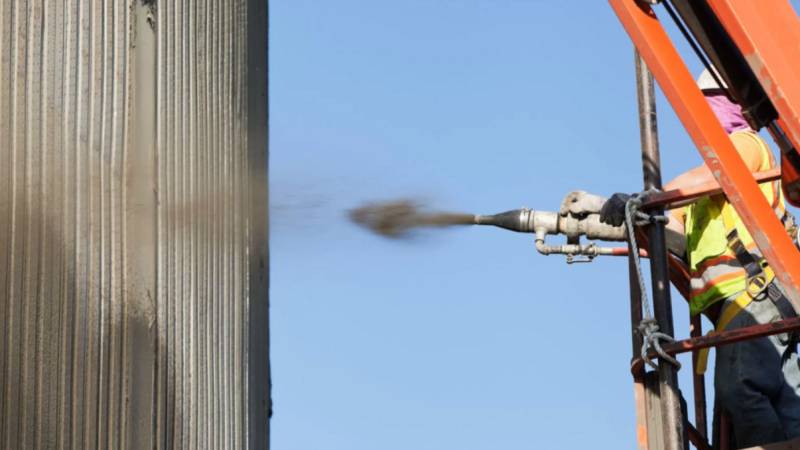
Shetrit plays an important role in many civil, commercial, and infrastructure projects because of its strength, flexibility, and ability to stabilise difficult surfaces efficiently. It is commonly used for retaining walls, tunnels, embankments, swimming pools, slope stabilisation, and structural reinforcement projects where traditional concrete placement may be less practical.
While proper shotcrete application is critical, the curing process is equally important for achieving long-term structural performance. Construction teams that fail to manage curing correctly may experience reduced durability, cracking, surface weakness, and long-term structural issues. This is why understanding how long should shotcrete cure is essential for contractors, engineers, and project managers involved in civil construction work.
Why Proper Curing Matters in Shotcrete Applications?
Curing is the process that allows shotcrete to develop strength and durability after application. During this period, moisture and temperature conditions must remain controlled so the cement hydration process can continue properly. Without adequate curing, the shotcrete surface may dry too quickly, which can weaken the structure internally and reduce long-term performance. Premature moisture loss often contributes to shrinkage cracking, poor bonding strength, and reduced resistance to environmental stress.
Proper curing helps support:
- Long-term structural strength
- Surface durability and stability
- Resistance to cracking and deterioration
For construction teams, curing should be viewed as a critical stage of the installation process rather than simply the final step after spraying is complete. Well-managed curing conditions play a major role in determining how effectively shotcrete performs over its lifespan.
How Long Shotcrete Typically Takes to Cure
Shotcrete begins hardening relatively quickly after application, but full curing takes much longer than the initial setting period. While the surface may appear firm within hours or days, the internal strength development process continues gradually over time. In many applications, shotcrete reaches significant early strength within the first week. However, full curing and strength development often continue for approximately 28 days under suitable environmental conditions.
Several factors influence curing time, including:
- Weather and temperature conditions
- Mix design and cement composition
- Moisture retention during curing
Construction teams should understand that curing timelines may vary depending on project requirements, environmental exposure, and structural demands. Rushing the curing process or exposing shotcrete to excessive stress too early can compromise long-term structural integrity.
Why Moisture Retention Is Critical
One of the most important aspects of shotcrete curing is maintaining proper moisture levels throughout the curing period. Cement hydration requires moisture to continue developing internal strength properly. If the surface dries out too quickly, the curing process may become incomplete, leading to weaker concrete and increased cracking risk. Hot weather, strong wind, and direct sunlight may accelerate moisture loss and create challenging curing conditions on construction sites.
Construction teams often use curing methods such as water spraying, protective coverings, or curing compounds to help retain moisture during the early stages of curing. Consistent moisture control is especially important during the first several days after shotcrete application when strength development is occurring most rapidly.
Environmental Conditions Can Affect Curing Performance
Environmental conditions have a major influence on how effectively shotcrete cures. Temperature fluctuations, rainfall, humidity, and wind exposure can all affect moisture retention and strength development throughout the curing process. Hot and dry conditions may cause the surface to dry too rapidly, while extremely cold temperatures may slow hydration and delay strength development. Construction teams need to carefully monitor site conditions and adjust curing strategies accordingly to protect the shotcrete during critical early stages.
Poor environmental management may contribute to:
- Surface cracking and shrinkage
- Reduced structural durability
- Inconsistent curing performance
Understanding how environmental conditions affect curing helps improve overall shotcrete quality and long-term structural reliability.
Why Early Strength Does Not Mean Full Cure?
One common misunderstanding on construction sites is assuming shotcrete is fully cured once the surface becomes hard enough to walk on or support light activity. In reality, shotcrete continues gaining strength long after the initial setting period. While early strength development is important, the concrete may still be vulnerable to excessive loading, vibration, or environmental stress during the curing phase.
Construction teams should avoid placing unnecessary stress on newly applied shotcrete before sufficient curing has occurred. Premature loading or disturbance may lead to hidden structural weaknesses that become more serious over time. Allowing adequate curing time helps ensure the shotcrete achieves the design strength and durability intended for the project.
The Risks of Inadequate Shotcrete Curing
Improper curing can create significant long-term problems for civil and structural projects. Even if the shotcrete initially appears acceptable visually, inadequate curing may reduce the material’s internal strength and long-term performance capabilities. Common problems associated with poor curing include cracking, reduced bonding strength, surface deterioration, and lower resistance to water penetration or environmental exposure.
Inadequate curing may eventually increase maintenance costs and reduce the lifespan of the structure itself. Construction teams that prioritise proper curing management are generally far more likely to achieve stronger and more durable project outcomes over time. Long-term structural reliability depends heavily on maintaining proper curing practices from the beginning.
Why Professional Shotcrete Experience Matters
Shotcrete applications require specialised knowledge, technical planning, and careful project management to ensure proper results. Experienced contractors understand how curing conditions, environmental exposure, material selection, and application techniques all work together to affect final performance. Professional shotcrete teams know how to monitor curing progress and implement appropriate moisture protection measures based on site conditions and project requirements.
Experienced contractors also understand:
- Appropriate curing timelines for different applications
- Environmental risks affecting strength development
- Methods for protecting freshly applied shotcrete
This level of expertise helps reduce construction risks while improving overall structural reliability and long-term durability. Professional project management becomes especially important on large-scale civil and infrastructure projects where shotcrete performance plays a critical role in structural stability.
Why Construction Scheduling Must Consider Curing Time
Construction schedules often place pressure on teams to progress quickly through project stages. However, curing time should never be overlooked simply to accelerate project completion. Proper curing directly affects structural performance, which means rushing the process may create far more costly problems later.
Project managers should ensure curing timelines are incorporated realistically into overall construction planning. Allowing adequate curing periods helps protect quality standards while reducing the risk of future repairs or structural failures. Balancing project efficiency with proper curing management is essential for maintaining both construction quality and long-term project success. Strong project outcomes are often closely tied to disciplined curing practices throughout the construction process.
Conclusion
Understanding how long should shotcrete cure is essential for construction teams aiming to achieve strong, durable, and reliable structural results. While shotcrete may harden quickly after application, full curing and strength development require careful moisture control, environmental management, and sufficient curing time.
By prioritising proper curing practices, construction teams can improve long-term structural performance, reduce cracking risks, and support better overall project outcomes. Effective curing management remains one of the most important factors in ensuring shotcrete applications continue performing reliably for many years after construction is complete. See more: homenumental.com.