
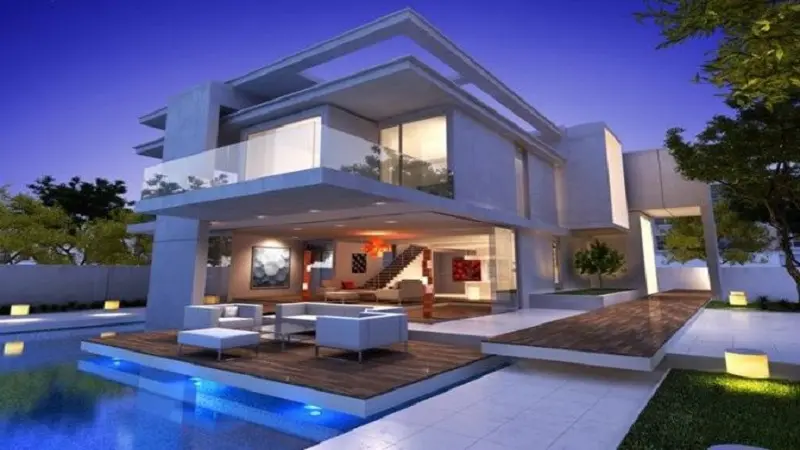
A buyer’s ecstatic that their eighteen months of searching have paid off on the right home in Westchester County. They bring their A-game to the negotiations, painstakingly budget, and close with confidence. But that first full year of ownership pops the bubble. The property tax bill and insurance premiums are much higher than expected. The kitchen project they planned turns into something else once the walls come open. And the heating system that passed inspection fails in February.
According to Bankrate, the average annual hidden costs of owning a typical single-family home in the U.S. total over $20,000. That’s just for a run-of-the-mill home. Luxury homes in Westchester County carry a much higher premium.
The hidden costs of owning a home here are not scaled up proportionally. They are structurally different, driven by one of the highest property tax burdens in the country, insurance requirements that standard policies do not meet, and an older housing stock that adds cost and complexity to renovation and maintenance decisions.
What the Hidden Costs of Owning a Home Look Like at the Luxury Level
Property Taxes in Westchester County
Westchester County collects over 1.5% of a property’s assessed fair market value as property tax and is ranked first of the 3,143 counties in the United States in order of median property taxes.
Those numbers are higher at the municipal level. Scarsdale’s median effective property tax rate is almost 2%. For a $3 million home, that percentage results in a property tax bill of approximately $59,000. On a $4 million home, it’s almost $79,000.
Most buyers know Westchester taxes are high. But they don’t model what that bill looks like on a monthly cash flow basis alongside a mortgage, insurance, and maintenance reserve. When they do, their perspective shifts.
Insurance for a High-Value Property
Standard homeowners insurance is not written for luxury homes.
A property with custom millwork, original architectural features, high-end mechanical systems, and significant personal property requires a policy from a carrier that specializes in this market.
PURE, AIG Private Client Group, and Chubb dominate the luxury insurance market with dedicated underwriting teams that understand million-dollar reconstruction projects and custom craftsmanship timelines.
These carriers typically require minimum annual premiums of $15,000 to $25,000, reflecting their specialized service levels and expertise in handling complex luxury property claims. Most buyers fall into the humongous coverage gap between a standard policy and appropriate luxury coverage. Not because they chose the wrong carrier, but because they didn’t know the difference before a claim revealed it.
A standard policy covering a $2 million home at replacement cost may fall significantly short of what it actually costs to rebuild a 1920s colonial with original plaster, period millwork, and custom finishes that cannot be sourced from a current catalog.
Renovation: The Cost That Catches Most Westchester Buyers Off Guard
The renovation number buyers have in mind is usually based on square footage, scope, and comparison to projects they have heard about elsewhere. That math doesn’t always add up in Westchester. It’s not the buyer’s fault. The age and condition of Westchester’s housing stock is difficult to quantify.
Why Older Homes Cost More to Renovate
A 1920s colonial in Scarsdale or a 1940s estate in Bedford carries infrastructure that does not match what is shown on any original plan. Plumbing has been modified in pieces across decades. Electrical has been expanded but rarely replaced in full. Structural changes from previous renovations add complexity to every subsequent project.
Understanding how much a luxury home renovation costs in Westchester starts with recognizing that the age and condition of the home are stronger cost drivers than the scope of the work itself.
A kitchen renovation that proceeds cleanly in a newer home can expand significantly once the adjacent walls reveal original plumbing, incorrect subfloor conditions, or electrical that does not meet current code requirements. This is more common in Westchester homes than most buyers think.
The most desirable homes in the county are also the most complex to renovate, and it’s hard to separate those qualities.
Maintenance: The Ongoing Cost That Compounds When Ignored
Bankrate’s 2025 study found that nearly half of homeowners who had at least one misgiving about buying their home cited maintenance and hidden costs as being more expensive than expected, the single most common regret among those who had them.
Maintenance costs for Westchester luxury homes are not simply higher. They behave differently depending on whether the homeowner manages them proactively or reactively.
Reactive vs. Preventive
Understanding the difference between preventive and reactive maintenance in Westchester is a direct driver of whether the hidden costs of ownership stay predictable or compound year over year.
An ice dam addressed in the fall inspection costs a fraction of what interior water damage costs after January. A boiler serviced in September likely won’t fail in February, when every contractor in the county has a three-week waiting list. A drainage issue caught early does not become a foundation repair caught late.
The gap between the two approaches widens on older properties. The more complex the home, the more there is to miss. Each missed item becomes more expensive when it surfaces as a failure rather than a finding.
Whether a management program is worth the cost for Westchester homeowners is really a question about which side of that divide a homeowner wants to be on, and what the cumulative cost difference looks like over five years on a property of this age and complexity.
The Hidden Costs of Owning a Home Add Up Faster in Westchester
Modeled against a $3 to $4 million Westchester luxury home, the annual non-mortgage cost picture looks roughly like this.
Property taxes at Scarsdale rates: $59,000 to $79,000.
Luxury home insurance with a specialist carrier: $15,000 to $25,000.
Annual preventive maintenance on a pre-war property: $15,000 to $40,000 depending on age and system complexity.
Renovation reserve amortized across a realistic project pipeline: $30,000 to $60,000 per year for a property that will need significant work every once in a while.
That range, $119,000 to $204,000 annually in non-mortgage ownership costs, sits well above what national and metro-area averages suggest.
Buyers who model the full cost before closing make better decisions about what to offer, what to reserve, and how to structure the first years of ownership.
Frequently Asked Questions About the Hidden Costs of Owning a Home in Westchester
What are the biggest hidden costs of owning a home in Westchester County?
Property taxes are the largest single non-mortgage cost for most luxury homeowners in the county. Westchester ranks first among all U.S. counties for median property taxes, and effective rates in municipalities like Scarsdale run close to 2% of assessed value. Insurance for a high-value home, ongoing maintenance on older properties, and renovation reserves follow.
How much should I budget for annual maintenance on a luxury home in Westchester?
For a pre-war property in reasonable condition with a preventive maintenance program in place, a realistic annual budget runs $15,000 to $40,000 depending on the property’s age, system complexity, and size. Reactive maintenance, meaning problems are addressed as they emerge rather than prevented, consistently costs more over time.
Are property taxes really that much higher in Westchester than the rest of New York?
Yes. Westchester collects the highest median property taxes of any county in the United States and is among the highest as a percentage of home value. The effective rate varies by municipality. Scarsdale runs close to 2%, and other towns vary. The tax burden is a material ongoing cost that should be modeled carefully at the time of purchase.
What does luxury home insurance cost in Westchester County?
Carriers who specialize in high-value properties, including Chubb, PURE, and AIG Private Client Group, typically require minimum annual premiums of $15,000 to $25,000 for luxury homes. The appropriate coverage level depends on the property’s replacement cost, the value of personal property, and the specific risk profile of the home. Standard policies are not adequate for most luxury properties in this market.
Is it cheaper to buy a newer home in Westchester to avoid renovation costs?
Newer construction does reduce renovation unpredictability. The systems are younger, the infrastructure is standardized, and the scope of work is easier to estimate. Newer homes in Westchester’s most desirable municipalities are rare relative to demand, so the tradeoff is usually between cost predictability and location or architectural quality. Many buyers find that the character and position of an older home justifies the additional complexity, provided they have modeled the renovation and maintenance costs accurately before closing.
What Westchester Buyers Should Know Before They Close
The purchase price of a luxury home in Westchester County is the most visible number in the transaction. But over a ten-year horizon, it’s not the most consequential.
The property taxes, insurance, maintenance, and renovation costs that follow the purchase are what determine whether owning the home feels manageable or chronically expensive.
Buyers who understand those costs before closing, not after the first tax bill, not after the first failed boiler, are better positioned to enjoy the home they worked so hard to find. See more