
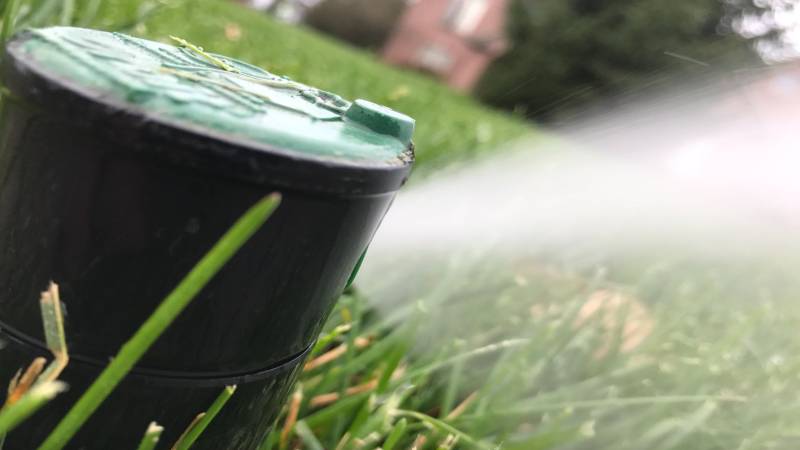
Irrigation has moved beyond the old “set it and forget it” sprinkler timer. Today, smart controllers, soil moisture sensors, rain shutoffs, and zone-based planning can help lawns and beds get water more efficiently. For homeowners, that can mean healthier plants, less guesswork, and yard management.
A well-planned irrigation service is not just about adding sprinkler heads. It starts with understanding sun exposure, soil type, slopes, drainage patterns, plant material, and how different areas use water. When those details are considered together, irrigation becomes part of the landscape system.
Smarter Controllers Use Weather and Site Data
One irrigation innovation is the smart controller. Weather-based controllers can adjust watering schedules using local weather and landscape conditions. Soil moisture-based controllers use sensors to measure moisture in the ground and reduce watering when plants do not need it.
This matters because watering needs change from week to week. A hot, dry stretch may require a different schedule than a cool, rainy one. Smart controls can support responsive watering while reducing waste.
Zone-Based Irrigation Makes Watering More Practical
Not every part of a yard needs the same amount of water. Sunny turf, shaded beds, new plants, and established shrubs may all have different needs. Zone-based irrigation separates the property into sections so each area can be watered according to its conditions.
This approach can be useful in landscapes with mixed plantings or outdoor living features. A patio border may need drip irrigation, while a lawn area may need spray or rotor heads. Matching the method to the area helps the system work.
For homeowners exploring irrigation as part of a larger outdoor plan, Cable Bros Outdoor offers information on landscaping, irrigation, drainage, hardscaping, lighting, and related outdoor services.
Drip Irrigation Supports Plant Beds and Water Efficiency
Drip irrigation is another practical technology used in landscape beds. Instead of spraying water into the air, drip systems deliver water closer to the soil and root zone. That can reduce overspray on walkways, siding, fences, and patios.
Drip irrigation can also help around shrubs, perennials, and garden beds where targeted watering is preferred. It should be designed around plant spacing, soil conditions, and maintenance access. Filters, pressure regulation, and routine checks help keep the system working.
Routine service keeps the system reliable
Even smart irrigation needs human attention. Sprinkler heads can shift, nozzles can clog, valves can wear, and seasonal changes may require schedule adjustments. Regular inspections help catch small issues before they lead to dry patches, runoff, or overwatering.
Service may include checking coverage, testing zones, adjusting heads, reviewing controller settings, and preparing the system for seasonal use. In colder climates, winterization is important because trapped water can damage irrigation components.
To learn more about irrigation and outdoor living services, visit Cable Bros Outdoor.
Technology works with thoughtful design
Modern irrigation technology is useful, but design still matters. Smart controllers and sensors perform better when the layout, water pressure, head placement, and plant groupings are planned correctly. An irrigation project blends technology with practical landscape knowledge.
The result is not about watering more. It is about watering with more awareness. With the right planning and ongoing service, irrigation can help support a healthy outdoor space while making yard care less complicated. See more.