
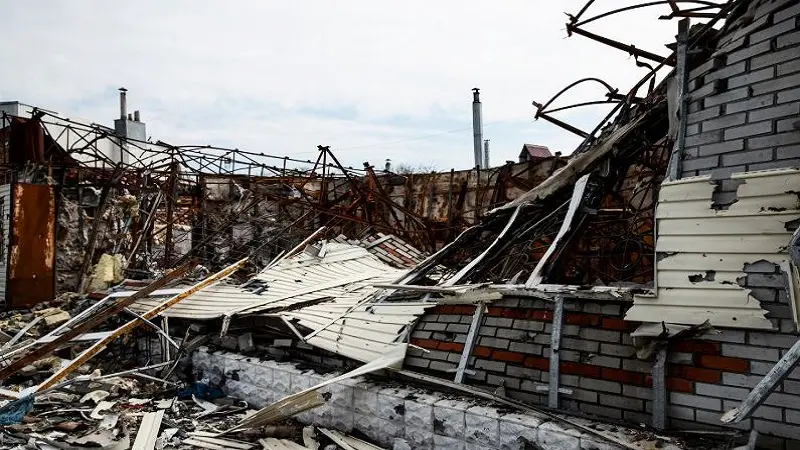
If you don’t take immediate action to clear debris after storms, your property faces high risks. Flying objects crack foundations, block drainage paths, and destroy your beautiful land. Fallen wood also invites unwanted pests right to your doorstep.
You should read this blog to discover the best debris removal choices. Learning these facts will protect your home and save you money.
What Are the Risks of Not Removing Debris After a Storm?
Severe weather often leaves heavy destruction. You will often be left with a large pile of debris in the yard that looks not only messy but also poses risks.
Increased Safety Hazards Around Your Property
Broken branches create massive traps on your lawn. Heavy limbs can fall without warning at any moment. Since 2023, the Brookhaven area has recorded around three dozen verified hail, wind, and tornado reports within about 10 miles. These frequent storms leave weak oaks and pines ready to drop. Walking near these hanging hazards puts you in danger.
Higher Risk of Pest Infestations
Dead wood provides the perfect home for destructive insects. Rotting bark traps moisture, which attracts bugs quickly. Termites and carpenter ants love wet wood, and they will move from the yard into your home structure. This migration causes thousands of dollars in hidden structural damage. Removing piles early stops the bugs before they spread.
What Types of Pests Are Attracted to Storm Debris?
These common pests actively seek out piles of unmanaged yard debris:
- Subterranean termites
- Carpenter ants
- Wood-boring beetles
- Rodents and mice
- Venomous spiders
Damage to Lawns and Landscaping
Large piles block the sun. Your grass needs sunlight to survive but heavy logs crush delicate turfgrass within a few days. The covered ground turns into ugly mud patches as fungal growth thrives under these damp, dark conditions. Your investment in beautiful landscaping disappears without fast cleanup.
Blocked Drainage and Water Flow
Twigs and leaves wash into your gutters during heavy downpours. The organic waste packs tightly inside downspouts. Water cannot flow away from your roof correctly, and this blockage forces water under your shingles. Your ceilings will develop leaks, and mold will grow inside your walls. Keeping pathways clear saves your roof.
Can Storm Debris Cause Flooding Problems?
Yes, blocked paths cause serious flooding issues around your home:
- Trapped leaves flood your driveway with rainwater
- Blocked gutters spill water down your siding
- Excess water collects right next to the concrete
- Moisture seeps underneath your floors, causing rot
Increased Risk of Tree and Plant Diseases
Storm wounds leave your trees open to infection. Consequently, these open cuts easily catch airborne fungal spores after wet weather. This happens because rotted debris on the ground holds dangerous diseases like hypoxylon canker. Soon, this sickness spreads from the dead wood to healthy willow oaks. If the disease takes hold, you might lose your remaining trees. Therefore, regular yard cleanup keeps your plants healthy and safe.
Potential Violations of Local Property Maintenance Rules
Local cities enforce strict rules about neighborhood upkeep. Piles of trash violate basic codes. City inspectors can issue warnings for unsightly yards as they expect owners to maintain safe exterior conditions. Ignoring these notices leads to expensive fines.
How Long Should Storm Debris Remain on a Property?
You must address the mess as early as possible to avoid penalties. Here is a general instruction:
- Check local city codes immediately
- Clear major paths immediately
- Remove piles within days
Fire Hazards From Dry Organic Debris
Wet wood eventually dries out under the hot summer sun and turns into a massive tinderbox. A single spark from a lawnmower can ignite it. Wildfires move fast through dry yard waste. The flames can easily reach your garage or main house. Your property stays in danger as long as you do not remove them.
How to Safely Remove Debris from Your Property?
You must not try to handle huge logs by yourself. Heavy lifting often causes severe physical injuries. Instead, you should contact a local expert team. Reach out to a professional debris removal service for the best results. Experts use commercial chainsaws, heavy-duty grapple trucks, and wood chippers to clear the mess safely.