
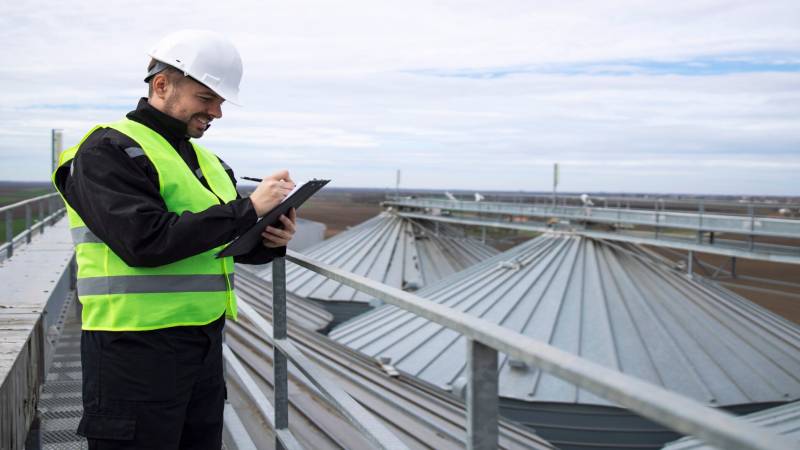
Temporary roof scaffolding plays a crucial role in construction and renovation projects, offering protection from weather conditions and enhancing on-site safety. Temporary roof scaffolding systems are essential for various types of buildings, ensuring that work can continue uninterrupted while providing a secure environment for workers.
Understanding Temporary Roof Scaffolding
Temporary roof scaffolding is designed to shield building projects from the elements, ensuring work can progress irrespective of the weather. These structures offer flexibility and can be tailored to fit a range of building configurations, allowing for efficient protection and support.
Key Benefits of Temporary Roof Scaffolding
A primary advantage of using temporary roof scaffolding is the enhancement of workplace safety. By protecting workers and materials from weather-related hazards, these systems reduce the risk of accidents and delays. Furthermore, they facilitate compliance with health and safety regulations, which is imperative in the construction industry.
Another benefit is efficiency. Temporary roof scaffolding allows construction activities to proceed smoothly without interruptions due to rain, snow, or ultraviolet radiation. This efficiency translates into cost savings and helps in meeting project deadlines.
Components of Temporary Roof Scaffolding
Temporary roof scaffolding systems typically incorporate several essential components such as beams, braces, and sheeting. These components work together to form a stable and durable structure capable of withstanding various environmental conditions.
Types of Roofs Supported
Temporary roof scaffolding can support various types of roofs, including flat, sloped, and curved designs. Each type of roof may require specific configurations to ensure complete coverage and support, which can be customised to meet individual project needs.
Installation and Dismantling
The installation of temporary roof scaffolding must be executed by qualified professionals to ensure safety and structural integrity. These experts ensure that the scaffolding is securely anchored and meets all applicable safety standards. Once the project is completed, the scaffolding is dismantled and removed, leaving the site clear.
Choosing the Right Material
When selecting materials for temporary roof scaffolding, factors such as durability, weight, and resistance to environmental factors play a crucial role. Common materials include aluminium and steel, both known for their strength and longevity, though the choice between them depends on project-specific requirements.
The Importance of Professional Services
Engaging professional scaffolding services ensures that the temporary roof scaffolding is installed correctly and safely. Professionals bring expertise and experience, guaranteeing that the system is tailored to the specific needs of the project while adhering to safety standards.
Conclusion
Temporary roof scaffolding solutions are indispensable in modern construction, offering both safety and efficiency. By protecting work sites from adverse weather conditions and facilitating compliance with safety regulations, they ensure that projects are completed on time and within budget. Engaging professional services for the installation and management of scaffolding systems further enhances their effectiveness, ensuring the safety of all personnel involved.
In conclusion, companies such as CPS Scaffold Ltd offer tried and tested temporary roofing solutions that defend against the unpredictability of the weather, supporting various architectural designs and project timelines. Adopting these systems is a proactive step towards a safer and more efficient construction environment. See more.