
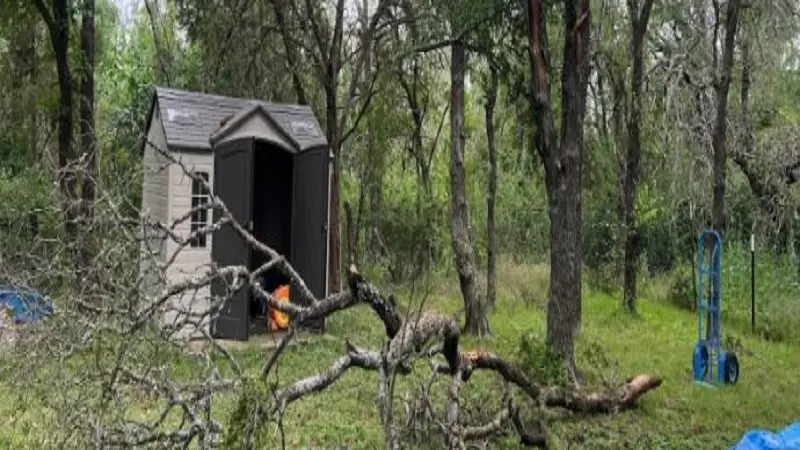
Regular tree service protects Round Rock homes from severe weather by cutting risks early. Crews trim overhanging limbs, reinforce weak branches with cabling, and remove dead wood. This work stops roof damage and power outages before storms hit your neighborhood.
Keep reading to see how this process works. You will also learn what it means for your property.
What Are the Benefits of Regular Tree Service for Your Home?
Professionals understand trees in and out. Their regular care can help prevent major problems from occurring or spreading. Professional tree service in Round Rock, TX, includes benefits, such as:
Removes Weak and Hazardous Branches
Weak branches break easily during storms and often land on roofs or cars. Live oak and pecan trees tend to grow large limbs that split under pressure. Removing these branches early lowers the chance of damage when wind speeds climb.
Identifies Tree Health Problems Before Storm Season
A trained eye can catch issues long before they cause harm. Cedar elm trees often hide internal decay behind healthy-looking bark. Catching that decay early gives you time to act before a storm turns a hidden problem into a real one.
What Tree Defects Increase the Risk of Storm Damage?
Cracks, cavities, and dead limbs raise storm risk the most. Root rot and included bark also weaken a tree’s core structure. These defects make trees more likely to snap or uproot once strong wind arrives.
Reduces the Risk of Falling Trees
Trees with shallow roots or leaning trunks pose a real threat during heavy rain. Saturated soil loosens root systems and makes falling more likely. Regular checks help you spot these warning signs before they turn into an emergency.
Improves Tree Structure Through Proper Pruning
Pruning shapes a tree so weight gets distributed evenly across its canopy. Uneven growth puts stress on certain limbs and makes them prone to breaking. Correcting that imbalance now means fewer surprises during the next storm.
Prevents Branches From Reaching Roofs and Power Lines
Branches that grow too close to your home create ongoing risk. Contact with power lines can also cause outages or fire hazards. Trimming these limbs back keeps your roof and utility connections clear year-round.
Strengthens Trees Against High Winds and Heavy Rain
Trees with dense, uneven canopies catch more wind and face more stress. Thinning out the canopy lets wind pass through instead of pushing against it. This small change can make a big difference during a major storm.
Can Tree Trimming Help Trees Withstand Strong Winds?
Yes. Trimming reduces wind resistance by removing excess weight and crossing branches. A well-pruned tree bends and flexes more easily, which lowers the chance of snapping during a storm.
Protects Vehicles, Fences, and Outdoor Structures
Falling limbs cause more than roof damage. They can crush fences, dent vehicles, and destroy sheds or patio covers. Clearing hazardous branches ahead of storm season protects everything within reach of your trees.
Encourages Healthy Root Development
Strong roots anchor a tree against wind and rain. Soil compaction and poor drainage can limit root growth and weaken that anchor over time. Regular tree service helps address these conditions early and helps your trees stay upright when storms roll through.
How Often Should Trees Be Inspected for Storm Risks?
Most homeowners should schedule an inspection once a year, ideally before storm season begins. Mature or damaged trees may need checks twice a year to catch new risks as they develop. See more