
Why Different Surfaces Demand Different Pressure Levels?
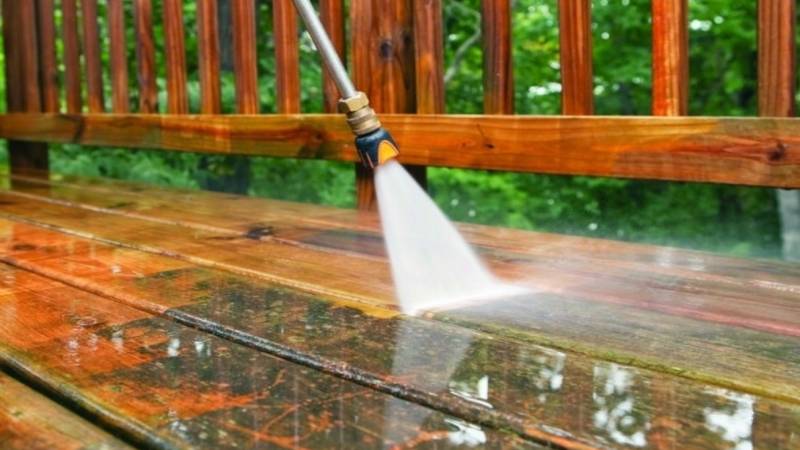
Every exterior surface reacts differently to concentrated streams of water, which is why local power washing experts in Jacksonville, FL rely on more than a single setting to get the job done safely. Concrete driveways can typically withstand higher pressure, often in the range of 3000 to 4000 psi, because the material is dense and resistant to pitting. Wood decking, siding, and painted fences, on the other hand, require a much gentler approach, usually between 500 and 1200 psi, since excessive force can strip paint, splinter wood fibers, or push water behind siding panels where it does not belong. Understanding this range is the foundation of effective exterior cleaning, and it is also the reason why store bought pressure washers, which often lack adjustable settings, can end up causing more harm than good when used on delicate materials.
In Jacksonville’s climate, where humidity stays high for much of the year, surfaces develop a mix of organic growth including algae, mildew, and moss, along with pollen and salt residue carried in from nearby coastal air. Each of these contaminants responds differently to pressure and chemical treatment, which means a one size fits all approach rarely produces consistent results.
The Role of Nozzle Selection in Cleaning Precision
Pressure alone does not determine the outcome of a wash. Nozzle selection plays an equally important role. A 0 degree nozzle produces a narrow, pinpoint stream that concentrates force on a small area, making it useful for stubborn stains on concrete but far too aggressive for most other applications. A 25 degree nozzle spreads the water over a wider fan pattern, which is the standard choice for general surface cleaning on siding, patios, and walkways. A 40 degree nozzle, sometimes called a white tip, is gentle enough for washing vehicles or outdoor furniture without risking damage.
Soap nozzles, which operate at a lower pressure and mix detergent into the stream, are often used first to loosen grime before rinsing begins. This staged approach, applying a cleaning agent, allowing it to dwell, then rinsing at an appropriate pressure, tends to produce better results than relying on force alone, particularly on surfaces coated in algae or mildew.
How Water Temperature Affects Cleaning Outcomes
Most residential pressure washing relies on cold water units, but hot water systems are increasingly used for surfaces coated in grease, oil, or heavy biological buildup. Heat accelerates the breakdown of organic material and grease bonds, which means less mechanical force is needed to achieve the same result. This is particularly relevant for commercial kitchen exteriors, dumpster pads, and garage floors where oil stains have set into porous concrete.
In a place like Jacksonville, where warm temperatures already soften some surface residues, cold water washing is often sufficient for routine maintenance. However, for driveways or patios with years of accumulated buildup, a hot water unit combined with a degreasing agent can shorten the time needed to restore the surface significantly.
Detergents and Their Chemical Function
The chemistry behind exterior cleaning solutions matters as much as the mechanical process. Sodium hypochlorite, a chlorine based solution, is commonly used to kill algae, mold, and mildew spores on siding and roofing. Because it breaks down organic matter at a cellular level, it allows lower pressure application while still achieving a thorough clean. Oxalic acid based cleaners are often used on wood surfaces to remove rust stains and tannin discoloration without the fiber damage that high pressure alone would cause.
Surfactants, which reduce the surface tension of water, help cleaning solutions penetrate porous materials such as brick or unsealed concrete. This penetration allows the solution to lift embedded dirt rather than simply rinsing the surface layer, which is why professional grade detergents often outperform basic soap and water combinations even at similar pressure settings.
Seasonal Timing Considerations for Jacksonville Properties
Timing plays a larger role in pressure washing outcomes than many property owners realize. In Jacksonville, spring is typically when pollen accumulation peaks, coating driveways, siding, and patio furniture in a fine yellow layer that can stain if left untreated for extended periods. Late summer and early fall bring increased algae and mildew growth due to consistent humidity and rainfall, making this a common window for exterior washing appointments.
Washing surfaces during periods of direct, intense sunlight can also affect outcomes, since detergents may dry and evaporate before they have time to break down contaminants. Many professionals schedule work during early morning or late afternoon hours to allow cleaning solutions adequate dwell time before rinsing.
Surface Sealing After Cleaning
A step that is often overlooked is what happens after the washing process ends. Concrete, pavers, and wood surfaces are porous, meaning that once cleaned, they are also more receptive to sealants. Applying a sealant shortly after washing, once the surface has fully dried, can slow future staining, reduce water absorption, and extend the interval between cleanings. Without this step, surfaces exposed to Jacksonville’s frequent rainfall and humidity tend to reaccumulate organic growth more quickly, sometimes within a matter of months rather than years.
Conclusion
Power washing is a process built on precision rather than brute force, involving careful decisions about pressure levels, nozzle types, water temperature, and chemical composition. Each surface, from painted wood to sealed concrete, responds differently to these variables, and getting the combination right requires both technical knowledge and familiarity with local conditions. For property owners in Jacksonville, FL, where humidity, pollen, and coastal air all contribute to how quickly surfaces accumulate grime, working with local power washing experts can make the difference between a temporary clean and a lasting result. Understanding these underlying mechanics not only helps property owners set realistic expectations but also clarifies why professional equipment and technique often outperform generic, one size fits all approaches to exterior cleaning. See more.