
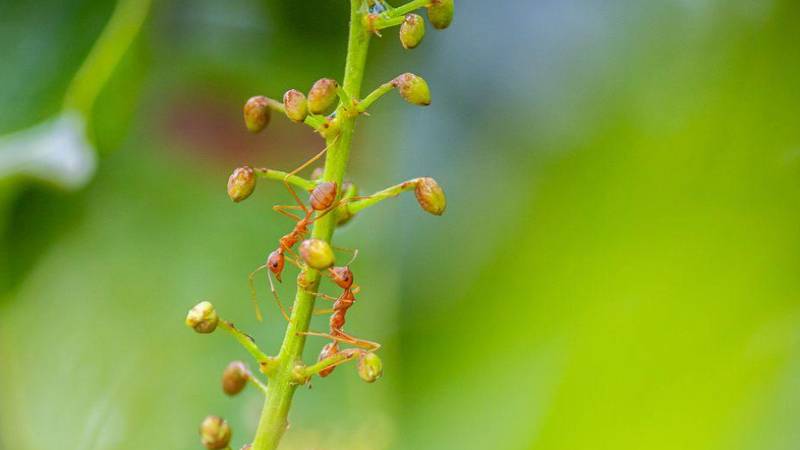
Ants seem to treat Florida homes like open invitations, especially with the state’s heat, humidity, and nearly year-round growing season. If you live in a place where afternoon rain shows up on schedule and crumbs disappear faster than you remember dropping them, ant problems can escalate quickly. A few scouts near the sink can turn into a full indoor parade before the weekend ends. Knowing how ants operate gives you a much better shot at stopping them.
Why Ants Show Up in the First Place?
Ants usually enter your home for three reasons: food, water, and shelter. That sounds obvious, but the tricky part is how little it takes to attract them. A sticky soda ring under a trash can, pet food left out overnight, or moisture under a sink can act like a flashing welcome sign.
In warm climates, ants stay active for longer stretches of the year. Heavy rain can also drive colonies indoors when outdoor nests get flooded. Tiny gaps around doors, windows, plumbing lines, and foundation cracks give them easy access. Once a few worker ants find something useful, they leave a pheromone trail for the rest of the colony.
You may only see a handful at first. That’s the scam. Those first ants are often the advance team, not the whole operation
When DIY Treatments Work and When They Don’t
DIY methods can help with small problems, especially if you catch the ants early. Baits often work better than sprays because worker ants carry poisoned food back to the colony. Sprays may kill visible ants on contact, but they can also scatter the colony and make the problem harder to track.
That said, DIY control has limits. Different ant species respond to different bait formulas, and using the wrong one wastes time. Some ants prefer protein and grease, while others go for sugar. If trails keep returning after repeated treatments, the nest may be inside a wall, under flooring, or somewhere outside your reach.
This is one reason many Florida homeowners call companies to take care of ants when repeated home treatments don’t fully solve the issue. At a certain point, trial and error gets expensive, messy, and very annoying.
The Most Common Household Ant Trouble Spots
Ants don’t wander randomly as much as people think. They follow conditions that make survival easy, so certain parts of your home get targeted more often. Kitchens lead the list, especially around sinks, dishwashers, pantries, and garbage bins.
Bathrooms also attract ants because of steady moisture. You might spot them near tubs, toilet bases, or under cabinets where plumbing leaks stay hidden. Laundry rooms, window sills, and baseboards along exterior walls are common entry zones too.
Outside, the biggest risk areas include:
– Mulch beds touching the house
– Tree branches resting on the roof
– Cracks in the foundation
– Outdoor trash storage areas
– Standing water near patios or AC units
If you track where ants appear at the same time each day, you’ll often find the source faster than you would by spraying whatever happens to be moving.
Simple Prevention Habits That Actually Help
Prevention works best when you treat it like routine maintenance, not a one-time deep clean done in a burst of motivation. Ant control gets easier when you remove the reasons they keep returning.
Start with food storage. Keep cereal, snacks, sugar, flour, and pet food in sealed containers. Wipe counters daily, sweep crumbs from floors, and rinse recyclables before tossing them. Fix drips under sinks and around appliances, since even small water sources matter.
A few practical moves can cut your risk noticeably:
– Seal gaps around windows and doors
– Repair torn screens
– Trim shrubs away from exterior walls
– Store firewood away from the house
– Empty indoor trash regularly
Consistency matters more than intensity. You don’t need a sterile house. You need fewer easy rewards for invading ants.
Why Identifying the Ant Species Matters?
Not all ants behave the same way, and that detail changes everything. Carpenter ants can signal moisture damage because they tunnel through damp wood. Ghost ants are tiny and hard to spot, often nesting indoors near kitchens or bathrooms. Fire ants create outdoor hazards with painful stings and aggressive swarming.
If you treat every ant problem the same, you can miss the bigger issue. For example, carpenter ants may point to a leak behind a wall. Pharaoh ants can spread by budding, which means disturbing the colony incorrectly may create multiple new colonies instead of one fewer.
Look closely at size, color, where they appear, and what they seem attracted to. Even basic observations help narrow the problem. Pest control is less about dramatic spraying scenes and more about smart diagnosis. The detective work is where the real progress starts.
What a More Thorough Ant Control Plan Looks Like?
A solid ant control plan focuses on both the insects and the conditions supporting them. Killing visible ants is only one step. Long-term control usually involves inspection, identification, targeted treatment, and habitat correction.
In practical terms, that can include bait placement near active trails, sealing entry points, reducing moisture, and treating exterior nesting areas. Some situations require follow-up visits because ant colonies can be persistent, especially in warm, wet environments.
If you’re comparing solutions, pay attention to whether the approach addresses:
– Nest location
– Entry routes
– Food and moisture sources
– Species-specific behavior
– Indoor and outdoor activity
The best results usually come from a plan that treats the home as a system. Ants exploit patterns, weak spots, and routines. Your response should be just as structured.
Real-World Signs It’s Time to Take the Problem Seriously
One or two ants on a countertop may not mean much. Regular trails, winged ants indoors, or activity showing up in several rooms at once deserves more attention. The same goes for ants reappearing soon after cleaning or treatment.
You should also take note if you hear faint rustling in walls, find small piles of debris near wood, or see ants around electrical outlets and plumbing penetrations. Those clues can suggest hidden nesting areas. Outdoor ant hills close to walkways, patios, or play spaces matter too, especially if children or pets are around.
The broader issue isn’t just inconvenience. Ant infestations can affect sanitation, damage parts of the home in some cases, and create recurring stress that chips away at your comfort. Nobody wants to start the day battling insects before coffee has a chance to do its job.
The Smartest Way to Stay Ahead of Ants
Staying ahead of ants means combining observation with maintenance. Check common entry points every few weeks. Watch for moisture problems after storms. Clean up food residue promptly and pay attention to repeat patterns instead of only reacting when trails become obvious.
If the problem keeps circling back, step back and assess the full picture: where they’re coming from, what’s attracting them, and whether your treatment method fits the species involved. Ant control gets easier when you stop treating each sighting as a random event.
A calm, methodical approach beats panic spraying every time. Ants are persistent, but they’re also predictable. Once you understand the conditions they need, you can make your home far less appealing and keep small sightings from turning into a full-scale household mutiny. See m0re.