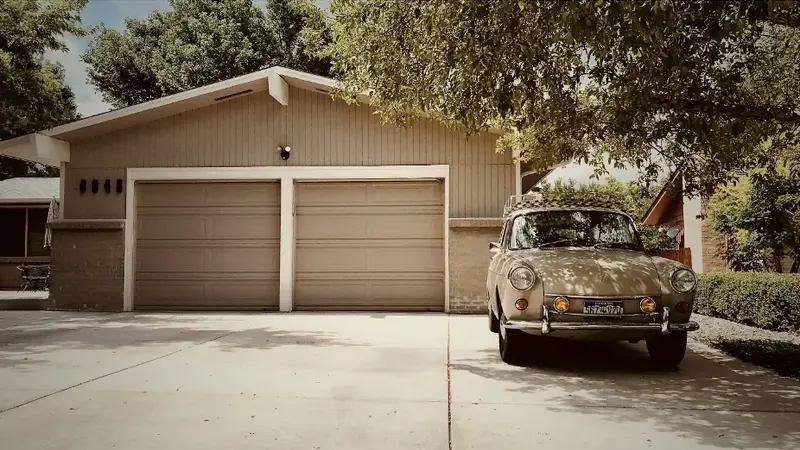
Garage doors have quietly become the main entrance for many modern homes. They open early in the morning, close late at night, and protect everything from vehicles to stored belongings. When a garage door stops working, the disruption is immediate and often stressful. Schedules fall apart, security feels uncertain, and even simple errands can become complicated.
Most problems do not appear suddenly but develop over time through daily use, weather exposure, and overlooked maintenance. By understanding how wear and tear affect key components, homeowners can spot warning signs earlier and make smarter long-term maintenance decisions.
Snapped Torsion and extension springs
Torsion and extension springs do most of the heavy lifting in a garage door system. They store mechanical energy, allowing the door to rise smoothly despite its weight. As springs weaken from repeated use, the door may begin to lift unevenly or stop opening altogether, which is when many homeowners realize they need help from a garage door service company. Because once the stress exceeds design limits, a sudden break can leave the door immobile and unsafe.
Both torsion and extension springs operate under extreme tension; therefore, it is always a good idea to reach out to professionals who have experience handling these components to ensure proper balance and prevent added strain on cables and openers.
Misaligned or Blocked Photo-Eye Sensors
Photo-eye sensors play a critical role in modern garage door safety systems. Positioned near the floor, they prevent the door from closing when an object crosses their path. Misalignment often occurs after minor bumps, shifting storage items, or simple dust buildup.
When sensors are misaligned, doors may reverse unexpectedly or fail to close completely. Cleaning the lenses and checking alignment can solve minor issues, making this one of the more homeowner-friendly fixes. Ongoing problems often indicate wiring faults or aging components that require professional evaluation.
The Impact of Temperature Fluctuations on Metal Components
Temperature changes place constant stress on the metal components of garage doors. Heat causes expansion, while cooler conditions lead to contraction and tightening. In areas with noticeable seasonal swings, this cycle accelerates wear on springs, tracks, and fasteners.
Homeowners may notice doors behaving differently as temperatures change throughout the year. Stiff movement, louder operation, or uneven lifting can often be traced back to temperature effects. Regular inspections help identify climate-related stress before it develops into serious mechanical failure.
Frayed or Snapped Cables and Why They Occur
Garage door cables work with the springs to keep the door moving evenly during operation. Over time, these cables experience constant tension, friction, and exposure to moisture and debris. Corrosion weakens the metal strands, while misaligned tracks or worn pulleys increase stress during operation. When cables begin to fray, the door may lift unevenly or appear tilted.
A complete snap can cause the door to jam or fall suddenly. Because cables support significant weight, trained professionals should always handle repairs to prevent injury and further system damage.
Track Misalignment and Its Effect on Door Movement
Tracks guide the garage door as it moves up and down, keeping it stable and predictable. Misalignment often develops from loose hardware, accidental impacts, or gradual settling of the home. Even slight shifts can force rollers out of position, creating scraping noises or jerky movement.
Over time, misaligned tracks place extra strain on rollers, hinges, and the opener. Homeowners may notice the door sticking or stopping partway. Tightening bolts and clearing debris can help in minor cases, but persistent alignment problems require professional adjustment.
The Role of Worn-Out Rollers and Hinges
Rollers and hinges allow the garage door to move smoothly along its tracks. Daily use eventually wears down these components, especially when lubrication is inconsistent or dust builds up. Worn rollers often cause vibration, increased noise, and slower operation.
Damaged hinges can affect door alignment and increase stress on other moving parts. While replacing a single roller may seem minor, uneven wear usually indicates broader system fatigue. Addressing these issues early helps protect the opener and reduces the likelihood of sudden breakdowns.
Remote Controls and Wall Switch Signal Interference
Garage door openers rely on consistent communication between remotes, wall switches, and the motor unit. Signal interference can occur due to nearby electronics, aging circuit boards, or weak batteries. Homeowners may notice delayed responses or doors that operate intermittently.
In some cases, outdated openers struggle with newer wireless devices in the home. Troubleshooting starts with replacing the battery and checking wiring connections. If problems persist, professional testing helps determine whether reprogramming or equipment upgrades are necessary.
Prevention Checklists and the Value of Professional Inspections
Routine maintenance reduces the risk of unexpected failures. Homeowners can handle simple tasks such as clearing sensor lenses, listening for unusual sounds, and applying recommended lubrication. Visual checks help catch early signs of wear before they worsen. High-tension components and structural adjustments should always be left to professionals.
Regular inspections are especially important for identifying stress caused by ongoing use and environmental exposure. Professional evaluations improve safety, extend system lifespan, and provide lasting peace of mind. See more.