
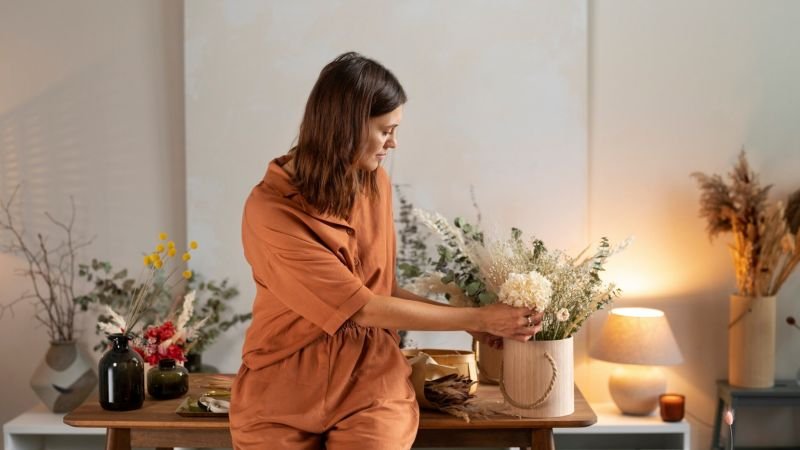
A beautiful home is not only about expensive furniture or fashionable decorations. It is about creating a space that feels comfortable, reflects your personality, and makes everyday life more enjoyable. With the right ideas, even a small room can look welcoming, organized, and stylish. A good decoration guide can help homeowners understand how to choose colors, arrange furniture, add accessories, and make better use of available space.
The decoration guide homenumental concept focuses on making home decoration easier to understand for beginners and experienced homeowners alike. Whether you are updating a single bedroom or refreshing your entire house, thoughtful planning can help you achieve attractive results without spending more than necessary.
1. Start With a Clear Home Decoration Plan
Before buying furniture or decorative accessories, think about how you want each room to look and function. Every room has a different purpose, so its decoration should support the activities that take place there.
For example, a living room should provide comfortable seating and enough space for conversation. A bedroom should feel peaceful and relaxing, while a kitchen needs practical storage and easy movement.
Start by identifying what works well in your current space and what needs improvement. You may need better lighting, additional storage, a new color scheme, or a different furniture arrangement.
Making a simple plan helps you avoid unnecessary purchases. It also allows you to focus on changes that will make the biggest difference to your home.
2. Choose Colors That Match Your Style
Color is one of the easiest ways to change the appearance of a room. The right combination can make a space feel brighter, calmer, warmer, or more energetic.
Neutral colors such as white, cream, beige, and soft gray create a clean foundation. They work well with different furniture styles and allow decorative accessories to stand out. If you prefer a more colorful look, consider adding green, blue, terracotta, or muted yellow through cushions, artwork, rugs, and curtains.
A simple approach is to choose one main color, one supporting color, and one accent color. This creates a balanced appearance without making the room feel too busy.
Lighting also affects how colors appear. Before painting an entire room, test a small sample on the wall and observe it at different times of day.
3. Arrange Furniture for Comfort and Space
Furniture arrangement has a major impact on how a room looks and feels. Even attractive furniture can make a space uncomfortable if it blocks pathways or leaves too little room to move.
Begin with the largest item in the room. In a living room, this may be the sofa. In a bedroom, it is usually the bed. Position the main piece first, then arrange the remaining furniture around it.
Keep walking areas clear and avoid placing too many large items in a small room. Furniture that fits the size of the space generally creates a more balanced appearance.
If you have a small living room, consider a compact sofa, nesting tables, or furniture with built in storage. These options can provide practical benefits without making the room feel crowded.
4. Improve Lighting for a Welcoming Atmosphere
Good lighting can make a home feel more inviting. Instead of relying on one bright ceiling light, combine different types of lighting to create a comfortable environment.
Ambient lighting provides general illumination throughout the room. Task lighting helps with activities such as reading, cooking, and working. Accent lighting draws attention to artwork, shelves, plants, or architectural details.
Table lamps and floor lamps can add warmth to living rooms and bedrooms. Under cabinet lighting can improve visibility in kitchens, while mirrors can help reflect natural light in darker spaces.
Whenever possible, keep windows clear enough to allow daylight inside. Light curtains can provide privacy while still allowing sunlight to brighten the room.
5. Decorate Walls With Meaningful Details
Empty walls can make a room feel unfinished, but filling every available space is not necessary. A few carefully selected decorations often create a stronger result than many unrelated items.
Framed photographs, artwork, mirrors, and wall shelves are popular options. Choose pieces that complement the room’s colors and overall style.
A gallery wall can be an attractive feature when the frames share a common color or theme. Before hanging anything, arrange the frames on the floor to experiment with different layouts.
Mirrors are especially useful in smaller rooms because they reflect light and can make a space appear more open. Place them where they reflect an attractive view or a source of natural light.
6. Add Plants and Natural Materials
Natural elements can make a home feel fresh and relaxing. Indoor plants, wooden furniture, woven baskets, cotton fabrics, and stone accessories introduce texture and visual interest.
Plants can work well on shelves, windowsills, side tables, and empty corners. Choose varieties that suit the available light and the amount of care you can provide. If natural light is limited, select plants that tolerate lower light conditions or use high quality artificial plants for decoration.
Wooden picture frames, woven storage baskets, and natural fabric cushions can also make a room feel more comfortable.
The goal is to create balance. A few natural materials can soften a room filled with metal, glass, or smooth surfaces without requiring a complete redesign.
7. Make Small Rooms Look Bigger
Small rooms can be attractive and functional when the available space is used carefully. The key is to avoid unnecessary clutter and select items that serve a clear purpose.
Use furniture that fits the room instead of choosing oversized pieces. Keep frequently used items organized and store seasonal belongings elsewhere when possible.
Light colors can help create an open appearance, while mirrors may reflect daylight and increase the feeling of space. Curtains hung slightly higher than the window frame can also make the ceiling appear taller.
Multifunctional furniture is another useful option. A storage ottoman can provide seating and a place to keep blankets, while a foldable desk can free up space when it is not needed.
These simple choices can improve both the appearance and practicality of a small home.
8. Decorate on a Budget
A stylish home does not require a large budget. Small improvements can create noticeable changes when they are chosen carefully.
One affordable option is to rearrange furniture you already own. Changing the position of a sofa, moving a lamp, or creating a new display on a shelf can give a room a different appearance.
You can also update old furniture with fresh paint, replace worn cushion covers, or use affordable artwork to introduce color. Shopping secondhand may help you find unique pieces at lower prices.
Before making a purchase, consider whether the item fits your space, serves a purpose, and matches your existing decoration. Buying fewer items that work well together can be more effective than collecting accessories without a plan.
9. Keep Your Home Organized
Organization is an important part of successful decoration. A room may have beautiful furniture and colors, but clutter can make it feel uncomfortable and unfinished.
Create a regular place for everyday belongings such as keys, mail, shoes, and remote controls. Use baskets, drawers, cabinets, and shelves to keep items accessible without leaving them scattered across surfaces.
Try to keep kitchen counters and frequently used tables clear. In bedrooms, use storage boxes or under bed organizers for belongings that are not needed every day.
Regularly review your possessions and donate or recycle items you no longer use when appropriate. A more organized home is easier to clean, maintain, and enjoy.
10. Create a Home That Reflects Your Personality
Home decoration should express your preferences rather than follow every passing trend. Some people enjoy modern interiors with clean lines, while others prefer traditional furniture, colorful textiles, or a comfortable rustic style.
Personal touches help make a home feel unique. Display meaningful photographs, books, travel souvenirs, handmade objects, or artwork that reflects your interests.
You do not need to decorate every room in the same way. Instead, maintain a few connecting elements, such as similar wood finishes or a consistent color palette, to create a sense of harmony throughout the house.
A thoughtful decoration guide homenumental approach encourages homeowners to focus on comfort, function, and personal taste rather than spending money simply to follow trends.
Conclusion
Creating a beautiful home begins with thoughtful decisions, not expensive purchases. By planning each room, choosing balanced colors, arranging furniture carefully, improving lighting, and adding meaningful accessories, you can make your home more attractive and comfortable.
The decoration guide homenumental approach is about finding practical ideas that suit your space, lifestyle, and budget. Small improvements can have a lasting impact when they are selected with care.
Start with one room, identify the changes that matter most, and work through them step by step. With patience and creativity, you can build a home that looks welcoming, feels organized, and reflects your personal style. See more.