
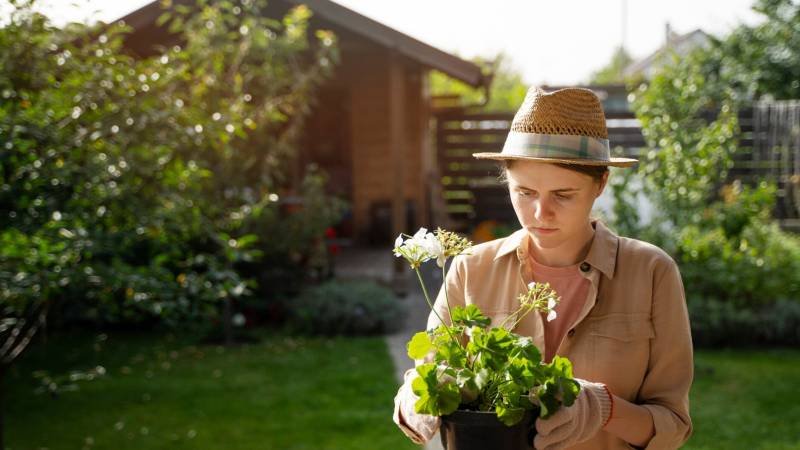
A beautiful garden can make any home feel more welcoming. Green plants, colorful flowers, fresh air, and a comfortable outdoor space can improve the appearance of a property and create a peaceful place to relax. You do not need a large yard or expensive gardening tools to achieve good results. With the right ideas and regular care, even a small outdoor area can become an attractive garden.
This Garden Guide Homenumental explores practical ways to plan, develop, and maintain a garden. From selecting suitable plants to improving soil and organizing outdoor decorations, every small decision can contribute to a healthier and more enjoyable space. Whether you are starting your first garden or improving an existing one, these suggestions can help you make better choices.
Understand Your Garden Before Planting
The first step toward a successful garden is understanding the space you have. Before purchasing flowers, trees, or gardening supplies, spend some time observing your outdoor area.
Notice which parts receive direct sunlight and which remain shaded for most of the day. Some plants need several hours of sunlight, while others grow better in partially shaded locations. You should also check how water moves through the garden after rainfall.
Consider the available space and how you want to use it. If you enjoy growing vegetables, you may need a separate planting area. If your main goal is creating a relaxing environment, you can focus on flowers, greenery, and comfortable seating.
A simple plan can prevent overcrowding and help you use every corner effectively.
Select Plants That Match Your Local Climate
Choosing suitable plants is an important part of the Garden Guide Homenumental approach. Different plants have different requirements for sunlight, temperature, water, and soil. Selecting varieties that suit your local environment can make gardening easier.
For example, some flowering plants grow well in sunny locations, while shade loving varieties are better for areas protected from direct sunlight. Before buying a plant, read its care instructions and consider whether your garden can provide the conditions it needs.
You can create an interesting appearance by combining different plant types. Flowering plants add color, shrubs provide structure, and leafy plants create a fresh green background.
If you are a beginner, avoid purchasing too many varieties at once. Start with a few manageable plants and learn how to care for them properly. You can gradually expand your collection as your experience improves.
Improve Soil Quality for Strong Plant Growth
Healthy soil gives plants the support they need to develop strong roots. It also helps provide nutrients, maintain moisture, and allow proper drainage.
Before planting, remove unwanted weeds, stones, and old plant material. Loosen compacted soil carefully so that roots can spread more easily. Adding finished compost or other suitable organic matter can improve soil structure and support plant development.
However, not every plant needs the same soil conditions. Some varieties prefer well drained soil, while others grow better in soil that holds more moisture. Understanding these differences can help you avoid common gardening problems.
You can also test your soil if you are unsure about its condition. This may help you understand whether its pH level or nutrient content needs attention.
Follow a Balanced Watering Routine
Water is essential for plant growth, but giving too much water can create problems. Excess moisture may damage roots, while dry soil can prevent plants from receiving the water they need.
The best watering routine depends on the plant type, soil condition, and weather. Check the soil before watering instead of following a fixed schedule every day. If the soil is still moist, some plants may not need additional water.
Watering near the base of plants helps deliver moisture closer to their roots. Early morning is often a convenient time because it allows plants to absorb water before daytime temperatures become higher.
Mulching can also help the soil retain moisture. Organic mulch, such as suitable bark or dry leaves, can reduce evaporation and limit weed growth when applied correctly.
Design a Garden With Natural Beauty
A well planned garden should feel organized without looking too crowded. One useful idea is to arrange plants according to their height. Taller plants can go toward the back of a flower bed, while smaller flowers and ground covering plants can be placed near the front.
You can also create separate sections for different purposes. A flower bed, a small vegetable area, and a sitting corner can make the garden more practical.
Natural materials often work well in outdoor spaces. Stone pathways, wooden borders, and simple decorative pots can add character without making the garden look overly designed.
Color selection also matters. Combining a few complementary colors can create a balanced appearance. You do not need to use every available flower color to make the garden attractive.
Keep Your Garden Clean and Healthy
Regular maintenance helps plants remain healthy and keeps the outdoor area looking neat. Weeds should be removed before they spread across planting beds. Small weeds are generally easier to manage than mature ones with established roots.
Check plant leaves and stems regularly for unusual spots, discoloration, or visible insect damage. Identifying a problem early can make it easier to manage.
Remember that not all insects are harmful. Bees and butterflies help support pollination, so it is important to protect beneficial wildlife whenever possible.
Remove dead leaves and damaged plant parts when appropriate. Clean garden tools after use, especially when working with plants that show signs of disease. Good garden hygiene can reduce the chances of spreading certain plant problems.
Make Small Gardens More Useful
Limited space does not mean you cannot enjoy gardening. A balcony, patio, or narrow backyard can still support a variety of plants.
Container gardening is a useful option for smaller areas. You can grow suitable flowers, herbs, and vegetables in pots or containers. Choose containers with drainage holes and enough room for the roots to develop.
Vertical gardening is another practical idea. Wall mounted planters and suitable plant supports can help you use vertical space instead of filling the entire floor with pots.
When arranging containers, consider how much sunlight each plant needs. Keep frequently used pathways clear and avoid placing heavy pots where they could become unstable.
Add Comfortable Outdoor Decorations
A garden can become more enjoyable when it includes a comfortable place to sit. A simple bench, a pair of chairs, or a small outdoor table can create a relaxing corner.
Lighting is another useful feature. Solar powered lights can brighten pathways and selected garden areas without requiring complicated electrical installation. Choose outdoor suitable products that can handle local weather conditions.
You can also add decorative pots, bird friendly features, or a small water feature if space and maintenance requirements allow. The key is to choose items that complement the plants rather than compete with them.
Keep decorations simple so that natural greenery remains the main attraction.
Maintain Your Garden Throughout the Seasons
Gardening is an ongoing activity. Different seasons bring different responsibilities, so it is helpful to adjust your routine throughout the year.
During warmer periods, pay closer attention to soil moisture and protect sensitive plants from excessive heat where necessary. In cooler weather, check which plants need protection and remove damaged growth when appropriate.
Some plants require pruning at particular times, while others should be left undisturbed. Always consider the needs of each variety before cutting branches or flowers.
Keeping a small gardening record can help you remember planting dates, watering changes, and seasonal observations. These notes can make future gardening decisions easier.
Final Thoughts
Building a beautiful garden is a gradual process that rewards patience and regular attention. You can begin with a few suitable plants, improve your soil, and organize the available space before introducing additional features.
This Garden Guide Homenumental highlights the value of practical planning, proper watering, suitable plant selection, and consistent maintenance. Small improvements can make a noticeable difference without requiring a large budget.
For more inspiration about home improvement, outdoor decoration, and practical living ideas, visit Homenumental. With thoughtful choices and a little creativity, you can turn an ordinary outdoor area into a green space that makes your home more enjoyable.