
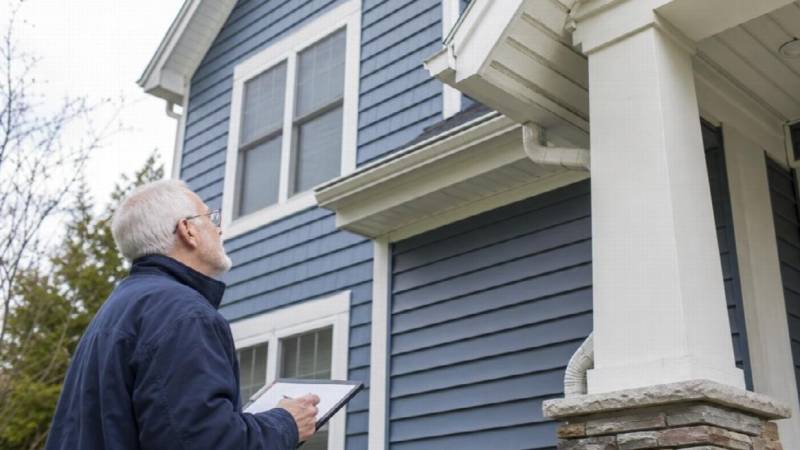
Selecting the correct dwelling coverage amount is one of the most consequential decisions a homeowner makes, yet many policyholders underestimate replacement costs until a claim reveals the gap. Barger & Associates, an independent agency based in Southlake, Texas, has guided homeowners through coverage decisions since 2012. Understanding how insurers calculate the homeowners insurance dwelling limit, which valuation methods apply, and where policy limits can fall short gives homeowners a clearer basis for informed decisions.
What Is Dwelling Coverage and Why Does the Coverage Limit Matter?
Dwelling coverage, designated as Coverage A on a standard HO-3 policy, pays to repair or rebuild the physical structure of a home following a covered loss. This includes the foundation, framing, roof, exterior and interior walls, built-in appliances, and attached garages. It does not extend to personal property, detached structures, or liability exposures.
The Financial Impact of an Inadequate Dwelling Limit
The homeowners insurance dwelling limit is the maximum an insurer will pay on a covered structural loss. When that limit falls below the actual rebuild cost, the shortfall becomes a direct personal expense, potentially reaching tens of thousands of dollars in high-cost construction markets.
How Much Dwelling Coverage Do I Need?
Homeowners need enough dwelling coverage to fully rebuild from the foundation up at current local construction costs, not the market or tax-assessed value. For most Southlake homes, that figure is square footage multiplied by the current per-square-foot rebuild cost for comparable construction quality, plus an allowance for custom finishes and code-required upgrades.
Because land value is excluded, this amount often differs from the purchase price. A professional replacement cost estimate is the most reliable way to set this number accurately.
Why Texas Weather Perils Raise the Stakes
Communities across the mid-cities corridor, including Southlake, Colleyville, and Keller, sit within a documented hail and severe convective storm zone. Accurate homeowners insurance coverage limits in Texas carry greater weight than in lower-risk states because the frequency and severity of wind and hail perils increase the probability of a large structural claim.
Understanding Dwelling Valuation Methods: Replacement Cost vs. Actual Cash Value
The valuation method written into a homeowners policy determines how much an insurer pays after a loss. Two primary methods appear in standard residential policies: replacement cost value and actual cash value. Selecting the wrong method in a high-hail-frequency market can leave policyholders responsible for a substantial unreimbursed cost.
Replacement Cost Value (RCV) Coverage
Replacement cost value calculates the amount needed to rebuild or repair a damaged structure using materials of like kind and quality at current market prices, with no deduction for depreciation. RCV is standard on most HO-3 policies and is the recommended approach for an adequate dwelling limit. Because labor and material pricing have risen substantially in recent years, rebuilding at current rates frequently exceeds what the same structure cost to build five years prior.
Actual Cash Value (ACV) Coverage
Actual cash value subtracts depreciation from replacement cost, paying only what the damaged property was worth at the time of loss. ACV policies carry lower premiums, but that savings often reverses after a major claim. A fifteen-year-old roof carries substantial accumulated depreciation, and a storm-triggered total roof claim leaves an ACV policyholder absorbing the full depreciation amount, a figure that routinely reaches several thousand dollars.
Extended and Guaranteed Replacement Cost Endorsements
Extended replacement cost endorsements increase the available payout by a fixed percentage, commonly 25 to 50 percent above the policy limit, when post-disaster rebuild costs exceed original estimates. After a significant hail or wind event, contractor demand surges across communities including Grapevine, Flower Mound, and Coppell, driving costs above pre-loss benchmarks.
Guaranteed replacement cost provisions, where available, commit to full rebuild costs regardless of the stated limit, directly addressing construction cost inflation and supply chain disruptions.
How Texas Weather Exposures Affect Dwelling Coverage Decisions
Southlake and surrounding communities sit within Hail Alley, one of the most hail-active corridors in the United States, shaping how dwelling limits should be calculated throughout the area.
Storm Damage: A Persistent Exposure for Southlake Homeowners
A compromised roof allows water intrusion affecting structural framing, insulation, interior finishes, and built-in components, all under dwelling coverage. Roofing costs have risen substantially due to materials pricing and labor demand, meaning limits set on prior-year data may prove inadequate when full replacement is triggered.
Homeowners insurance coverage limits in Texas frequently include a separate wind and hail deductible expressed as a percentage of the dwelling limit; a 2% deductible on a $500,000 limit produces a $10,000 personal obligation before the insurer pays.
Evaluating Roof Coverage Provisions in Texas Homeowners Policies
Some Texas homeowners’ policies shift roof coverage to an actual cash value basis once the roofing system reaches a threshold age, significantly reducing net claim payments on older roofs. Policyholders should evaluate these provisions at policy inception rather than after a storm. Barger & Associates’ homeowners insurance review process addresses roof valuation methods, wind and hail deductible structures, and dwelling limit adequacy as interconnected factors.
Frequently Asked Questions
Does My Dwelling Coverage Apply If I Rent Out Part of My Home?
Standard homeowners policies typically exclude or limit coverage when a portion of the home is rented regularly. Renting out a room or secondary unit warrants a policy review for landlord liability exclusions and a discussion of whether a dwelling fire policy or rental endorsement is needed. Failing to disclose rental activity can result in a denied claim even for damage unrelated to the tenant.
Will My Dwelling Coverage Pay for Upgrades Required by Current Building Codes?
Most standard policies do not automatically cover the added cost of bringing a repaired structure up to current building codes, which can be significant in Texas where codes have been updated frequently after major storm seasons. An ordinance or law endorsement closes this gap by covering demolition and code-compliant rebuilding costs beyond the base dwelling limit.
How Often Should I Review My Dwelling Coverage Limit?
Coverage limits should be reviewed at least annually, and more often after renovations, added square footage, or sharp increases in local construction costs. Material and labor costs in the Dallas, Fort Worth area have risen considerably in recent years, meaning a limit set three years ago may already be outdated.
Does Homeowners Insurance Cover a Detached Garage or Guest House?
Detached structures such as garages, guest houses, fences, and storage buildings are typically covered under the other structures provision, usually set at 10 percent of the dwelling limit by default. If detached structures have a higher combined value, that default percentage may leave a homeowner underinsured after a total loss.
What Happens to My Dwelling Coverage If My Home Is Vacant for an Extended Period?
Most homeowners policies contain a vacancy clause that suspends or significantly reduces coverage if the home is unoccupied for 30 to 60 consecutive days. A vacant home endorsement or separate vacancy policy can maintain protection during those periods, a common concern for Southlake homeowners who travel seasonally or list a home while living elsewhere.
Can I Insure a Home Under Construction or Undergoing Major Renovation?
A home under active construction or substantial renovation is typically not eligible for a standard homeowners policy. Builders risk insurance covers the structure and materials during the construction phase and can be converted to a standard policy upon completion.
Is Mold Damage Covered Under My Dwelling Coverage in Texas?
Most insurers cover mold remediation only when it results directly from a covered peril such as a sudden pipe burst, and they cap mold-related payments at amounts often far below actual remediation costs in a humid Texas climate. Some carriers offer buy-back endorsements that raise the mold sublimit, making it worthwhile to compare policy language across carriers.
About Barger & Associates
Barger & Associates is an independent insurance agency founded in 2012 by Joshua Barger, operating out of Southlake, Texas at 170 Players Cir, Southlake, TX 76092. The agency serves homeowners, drivers, and businesses throughout the DFW metroplex with coverage across property and casualty, liability, life, and umbrella insurance lines.
As an independent agency, it compares options from multiple carriers to match each policyholder with the valuation methods and endorsements best suited to their home and budget. The team has earned recognition through D Magazine Best in DFW distinctions and the Allstate Agency Achievement Award.
Business Name: Barger & Associates: Allstate Insurance
Address: 170 Players Cir, Southlake, TX 76092
Phone Number: (972) 206-1234
<iframe src=”https://www.google.com/maps/embed?pb=!1m18!1m12!1m3!1d3348.440208597409!2d-97.1812142!3d32.9393853!2m3!1f0!2f0!3f0!3m2!1i1024!2i768!4f13.1!3m3!1m2!1s0x864e887a06ed2cbd%3A0xdbb0f444dd28edf3!2sBarger%20%26%20Associates%20Insurance!5e0!3m2!1sen!2sph!4v1783050652757!5m2!1sen!2sph” width=”600″ height=”450″ style=”border:0;” allowfullscreen=”” loading=”lazy” referrerpolicy=”strict-origin-when-cross-origin”></iframe>