
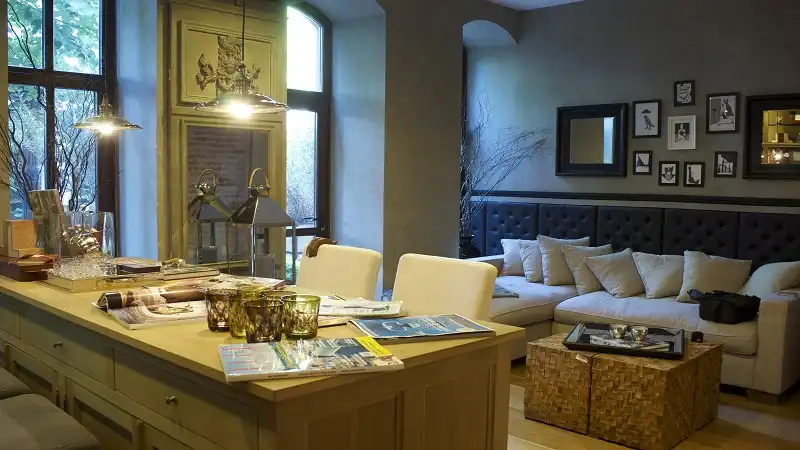
Walk into a well-decorated home, and you’ll probably notice something right away. Every room feels connected, even if each one has its own purpose and personality. The colors flow naturally, the furniture works together, and nothing feels out of place.
The good news is you don’t need a huge budget or a professional designer to create that feeling. With a little planning and a few smart decorating choices, you can give your home a consistent look that feels warm, welcoming, and easy to live in. Here’s how to make every room work together without making your home feel repetitive.
Start With a Clear Vision
Before buying furniture or choosing paint colors, think about how you want your home to feel.
Do you prefer a bright and modern space? A cozy farmhouse look? A clean Scandinavian style? Maybe you like a mix of modern and traditional elements.
Once you decide on a general style, use it as your guide for every decorating decision. You don’t have to copy one style perfectly, but having a clear direction makes the entire home feel more balanced.
Pick a Color Palette and Stick With It
Color is one of the easiest ways to connect different rooms.
Instead of choosing completely different colors for every space, select a palette that works throughout the house. Neutral shades like white, beige, gray, or soft earth tones make a great foundation. Then add one or two accent colors that appear in different rooms.
For example, you might use navy blue in the living room, repeat it with artwork in the hallway, and add navy cushions in the bedroom. Small touches like these create a natural flow from one room to the next.
Repeat Materials Throughout Your Home
You don’t have to buy matching furniture for every room.
Instead, repeat similar materials and finishes.
For example:
- Natural wood
- Matte black hardware
- Brushed brass accents
- Linen fabrics
- Marble or stone surfaces
When these materials appear in different areas of your home, everything feels connected without looking identical.
Make Every Room Feel Connected
Think of your home as one complete story instead of separate chapters.
As you move from one room to another, there should be something familiar that ties the spaces together.
That could be:
- Similar wall colors
- Matching light fixtures
- The same flooring
- Repeating decorative accents
- Coordinated artwork
These details help create a smooth transition throughout the home.
Don’t Buy Everything at Once
One of the biggest decorating mistakes is trying to finish every room in one shopping trip.
Take your time.
Start with the larger pieces like sofas, dining tables, beds, and storage furniture. Once those are in place, add rugs, lamps, artwork, and smaller accessories.
Decorating slowly gives you time to see what the room actually needs instead of filling empty spaces just because they look unfinished.
Use Lighting to Set the Mood
It changes how colors appear, highlights important features, and creates atmosphere.
Try using different types of lighting together:
- Ceiling lights for general brightness
- Table lamps for reading
- Floor lamps for cozy corners
- Accent lighting for artwork or shelves
Warm lighting usually makes living spaces feel more comfortable than bright white light.
Mix Different Textures
Even if your room uses only a few colors, it can still feel interesting.
The secret is texture.
Try combining:
- Soft cushions
- Linen curtains
- Wooden furniture
- Woven baskets
- Glass decorations
- Metal finishes
Different textures add depth without making the room look busy.
Let Each Room Have Its Own Personality
Your bedroom should feel different from your kitchen, and your home office should have a different purpose than your living room.
The goal is consistency, not duplication.
Keep the same overall design style while allowing each room to serve its own function.
Keep Decorations Simple
Sometimes less really is more.
Instead of filling every shelf or tabletop, choose a few decorations that mean something to you.
Family photos, travel souvenirs, plants, books, or handmade items often make a home feel more personal than expensive decorations.
Leaving a little empty space also helps the room feel cleaner and more relaxing.
Think About Function First
Beautiful rooms should also be practical.
Before adding another decorative item, ask yourself:
- Will I actually use this?
- Does it improve the room?
- Does it make the space easier to live in?
Good decorating isn’t just about appearance. It should also make everyday life more comfortable.
Don’t Feel Pressured to Follow Every Trend
Home decor trends come and go.
Instead of replacing expensive furniture every year, update smaller items such as:
- Throw pillows
- Blankets
- Artwork
- Decorative vases
- Candles
This keeps your home feeling fresh without spending a lot of money.
Refresh Your Home Little by Little
Creating a beautiful home takes time.
There’s no need to rush.
Many homeowners gradually improve one room at a time, making thoughtful choices along the way. This approach often leads to better results because every purchase has a purpose.
If you’re looking for inspiration before decorating, exploring different home decor ideas can help you compare styles, layouts, and color combinations before making any decisions.
Common Decorating Mistakes to Avoid
Even small mistakes can make a home feel less connected.
Watch out for these common problems:
- Using too many different colors
- Mixing unrelated furniture styles
- Buying furniture before measuring the room
- Hanging artwork too high
- Choosing decorations before planning the layout
- Filling every empty corner
- Ignoring lighting
Frequently Asked Questions
How do I make my whole house feel connected?
Use a consistent color palette, repeat similar materials, and keep your decorating style consistent. Small details repeated throughout the home help every room feel connected.
Can I mix decorating styles?
Yes. Mixing styles works well when they share similar colors, materials, or shapes. A balanced mix often feels more personal than copying one style exactly.
Do all rooms need the same paint color?
No. Different colors can work together as long as they complement each other. Keeping similar tones throughout the home usually creates a smoother transition.
What’s the easiest way to update home decor?
Changing pillows, artwork, lighting, rugs, or plants can make a noticeable difference without replacing major furniture.
How long does it take to decorate a home?
There isn’t a set timeline. Many people decorate gradually over months or even years, adding pieces that fit their style and budget.
Final Thoughts
Creating a cohesive home isn’t about buying the most expensive furniture or following every decorating trend. It’s about making thoughtful choices that help every room feel connected while still reflecting your personality.
Start with a simple plan, take your time, and decorate one step at a time. Over time, those small decisions will come together to create a home that feels comfortable, inviting, and truly your own.