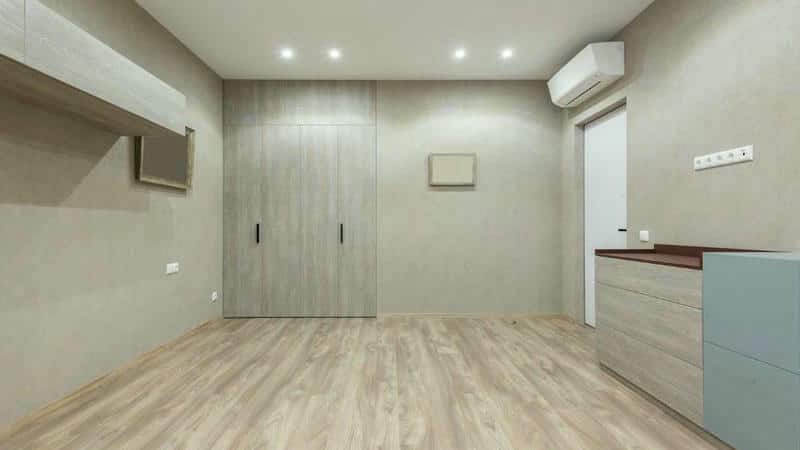
Have you ever walked into your own house and wondered why it feels stuffy in one or om and freezing in another?
Indoor comfort should not feel like a guessing game. A home is where people rest, work, and recharge. It should feel steady across seasons. In places like Meridian, ID, where summer heat can climb quickly and winters bring sharp cold, homeowners know that comfort depends on more than just turning a dial. It takes planning, upkeep, and smart choices. In this blog, we will share practical strategies, current trends, and clear action steps that help homeowners create reliable indoor comfort for years to come.
Extreme weather events are becoming more common. News reports show longer heat waves and sudden cold snaps. Energy prices shift without much warning. More people also work from home now, which means indoor conditions affect daily productivity. Comfort is no longer just a luxury after work hours. It shapes the entire day.
Long term comfort begins with understanding that a house works as a system. Walls, insulation, windows, and climate equipment all connect. If one part struggles, the rest feel the strain. Smart homeowners think ahead instead of reacting after problems appear.
Build a Strong Cooling and Heating Foundation
Climate control equipment carries most of the comfort load. When temperatures spike, systems run longer. Older units lose efficiency over time. Utility bills often reveal the first warning sign.
Working with reliable AC replacement & installation services in Meridian, ID, can help homeowners evaluate aging systems before they fail during peak heat. Waiting for a full breakdown creates stress and emergency expenses. Proactive upgrades reduce surprise costs and improve energy efficiency. If a unit is over ten to fifteen years old, it may be time to compare replacement options.
Start by checking the system’s age and service history. Frequent repairs signal declining performance. Ask about energy ratings when considering upgrades. Higher efficiency units often lower monthly bills. Even small percentage improvements add up over time.
Schedule maintenance at least once a year. Replace air filters every three months, or more often if pets are present. Clean filters improve airflow and reduce strain on equipment. Simple habits extend system life.
Strengthen insulation and air sealing
Comfort does not rely only on mechanical systems. Insulation and sealing play a major role. Poor insulation lets cooled or heated air escape quickly. That forces equipment to work harder than necessary.
Inspect attic insulation first. Many homes have less than recommended levels. Adding insulation is often cost effective. Check door and window seals for gaps. Weather stripping is inexpensive and easy to install.
Seal cracks around plumbing and electrical openings. Use caulk where small gaps appear. These small fixes prevent air leakage. Reduced leakage keeps temperatures stable.
Window treatments also help. Thermal curtains block sunlight during summer. They trap warmth during winter. Close blinds during peak heat hours to reduce indoor temperature swings.
Improve Indoor Air Quality
Comfort includes the air people breathe. Dust, pollen, and pollutants affect sleep and focus. Modern homes often trap air tightly. Without good ventilation, stale air builds up.
Change air filters regularly. Mark calendar reminders to stay consistent. Dirty filters reduce efficiency and airflow. Clean filters protect both health and equipment. Consider portable air purifiers in bedrooms or living areas. They remove fine particles and allergens. Cleaner air reduces allergy symptoms. It can improve sleep quality.
Monitor humidity levels with simple devices. Ideal indoor humidity ranges between thirty and fifty percent. Too much moisture feels sticky and promotes mold growth. Too little creates dryness and irritation. Balanced humidity supports comfort year round.
Use Smart Technology Carefully
Smart thermostats offer convenience and control. Many learn daily routines and adjust automatically. They reduce energy waste during work hours. They also allow remote adjustments from a phone.
Program temperature changes around daily schedules. Lower settings when away. Raise them before returning home. This saves energy without sacrificing comfort.
Energy tracking apps help identify patterns. Review monthly usage reports. Notice sudden spikes and investigate causes quickly. Early detection prevents larger issues.
However, technology works best when paired with maintenance. A smart thermostat cannot fix leaking ducts. Balanced upgrades create reliable results.
Prepare for Seasonal Shifts
Seasonal preparation prevents last minute problems. Before summer begins, clear debris around outdoor units. Trim plants that block airflow. Check vents inside to make sure furniture does not obstruct them.
Before winter, inspect heating components. Schedule service visits early in the season. Replace worn parts before cold weather intensifies. Preparation avoids uncomfortable nights.
Create a simple checklist for each season. Review it twice a year. Consistency builds confidence in your home’s performance.
Keep basic emergency supplies available. Flashlights, batteries, and portable fans help during outages. Preparation reduces stress when weather surprises occur.
Think Long Term About Energy Efficiency
Energy efficiency connects comfort and cost control. Rising utility rates make efficiency more valuable each year. Double pane windows reduce heat transfer. Upgraded doors improve insulation.
Roof color influences temperature as well. Lighter materials reflect sunlight better. Landscaping can provide natural shade. Planting trees strategically reduces direct sun exposure.
When planning renovations, consider efficiency upgrades together. Replacing windows during siding projects saves labor costs. Coordinated improvements increase return on investment.
Set aside funds gradually for major upgrades. Comfort should not depend on emergency spending. Planned improvements feel manageable and strategic.
Make Comfort a Daily Habit
Long term comfort depends on small, steady actions. Listen for unusual noises from climate equipment. Address minor issues quickly before they grow. Check vents for airflow differences between rooms.
Ask household members if certain areas feel warmer or cooler. Uneven temperatures may signal duct problems. Early adjustments prevent long term inefficiency. Track energy bills each month. Compare them to previous seasons. Sudden increases deserve attention. Monitoring patterns builds awareness.
Ultimately, indoor comfort reflects thoughtful planning and steady care. It requires attention to systems, insulation, air quality, and efficiency. It also requires realistic expectations. Homes change with seasons and age. Smart homeowners respond with preparation instead of panic. With consistent maintenance and informed upgrades, indoor spaces can remain steady, efficient, and comfortable for years to come.