
The first summer in a new home is traditionally a season of celebration. Between hosting backyard barbecues, unpackaging patio furniture, and finally getting around to painting the interior walls, new homeowners are understandably preoccupied with enjoying their milestone purchase. The weather is ideal, the natural light is brilliant, and the property looks its absolute best. Naturally, smartphones are filled with snapshots of smiling families on the front porch, freshly mowed lawns, and impromptu housewarming gatherings.
However, as the sun sets on that initial summer and the realities of long-term property maintenance sink in, an overwhelming majority of buyers realize they made a critical strategic error. They focused their lenses exclusively on the memories, entirely forgetting the mechanics of their house. A property is a shifting, living ecosystem that responds dynamically to changing seasons, shifting soil, and wear and tear. The absolute best time to document a home’s structural baseline, exterior health, and environmental patterns is during that very first summer when the ground is clear, vegetation is at its peak, and structural vulnerabilities are exposed to dry, bright conditions.
Years down the line, when dealing with property line disputes, mysterious water leaks, or complex exterior remodeling projects, missing these photographic records can cost thousands of dollars in exploratory contractor fees. Here is a definitive look at what new homeowners deeply regret not photographing during their first summer, and why capturing these details early is vital for future maintenance, protection, and seasonal planning.
1. Full Rooflines and Leaf-Free Eaves
During the dry summer months, homeowners rarely think about their roofs unless there is an active problem. This lack of attention is a major missed opportunity. Summer provides clear, unobstructed visibility to inspect, analyze, and document the true baseline condition of shingles, flashing, fascia boards, and eaves without the interference of heavy autumn debris, ice dams, or winter snowpacks.
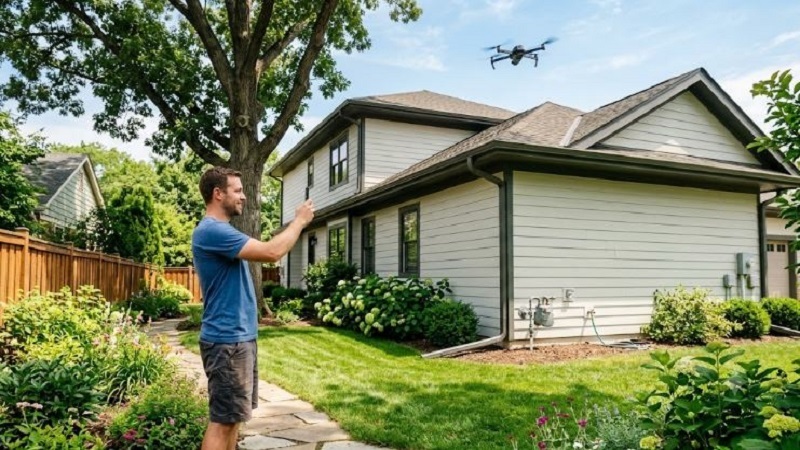
Photographing your rooflines from multiple angles from the ground, or ideally via a steady drone shot, creates an invaluable timestamped record. New homeowners often regret not having a high-resolution “before” catalog when severe weather strikes a few seasons later. If a localized hailstorm or high-wind storm damages your roof in the future, having clear summer photographs proves the exact pre-existing condition of your home to insurance adjusters, streamlining claims and preventing companies from attributing recent damage to historic wear and tear. Furthermore, these images help you monitor subtle changes over time, such as shingle degradation, buckling, or localized moss growth.
2. Mature Landscaping Boundaries and Plant Identification
A yard that looks lush and vibrant in June can look completely unrecognizable by January. For new homeowners, the first summer is the only window to see exactly what species of perennials, shrubs, and trees populate the landscape, as well as where their root systems lie. Failing to photograph these features at their peak bloom is a frequent source of frustration later on.
Comprehensive, close-up photos of leaves, flowers, and plant bases serve multiple practical purposes. First, they allow you to properly catalog and research care requirements during the winter dormant phase, ensuring you don’t accidentally kill an expensive specimen through improper pruning in early spring. Second, wide-angle shots showing the exact distance between mature tree trunks, overhanging branches, and your foundation are critical.
Over time, as branches grow toward your siding or roots threaten underground sewer lines, having a visual baseline from year one helps you measure growth rates and make informed decisions about preventative tree trimming or removal before structural damage occurs.
3. Property Features and Boundary Lines
When you close on a house, property boundaries are abstract lines written on a legal plat map or marked by tiny metal stakes buried deep in the dirt. During your first summer, while clearing brush or installing minor garden features, you are likely to locate these markers or establish a clear understanding of where your land meets your neighbors’. Homeowners frequently regret not taking clear photos of these exact locations relative to permanent landmarks, like an old oak tree, a utility pole, or a concrete walkway.
As years pass, fences warp, neighbors move away, and new buyers arrive with different ideas about where property lines lie. A photograph taken during your first summer showing the exact placement of old fences, retaining walls, or shared driveways acts as powerful historical evidence. It prevents property line encroachment disputes and provides clear context when you eventually decide to invest in a major perimeter project, such as building a new privacy fence or expanding your patio layout.
4. Outdoor Electrical Outlets and Utility Entry Points
The exterior of your home is a network of essential utility connections, including ground-fault circuit interrupter (GFCI) outlets, gas meters, main water shut-off valves, HVAC condensers, and internet cable inputs. In the summer, these areas are generally accessible and free from snowdrifts or dense piles of fallen leaves. Regret sets in when an emergency happens in the dead of winter, and a homeowner is forced to hunt blindly through frozen bushes or deep snow for a utility shut-off valve.
Taking close-up, well-lit photos of every single exterior outlet, utility hub, and meter box gives you an instantly accessible visual guide. It also allows you to document the exact condition of the weatherproofing seals around these fixtures. Over time, caulking around utility penetrations dries out, creating hidden pathways for pests and moisture to enter your walls. Having an archive of these entry points ensures you know exactly where to apply preventative maintenance before the harsh winter weather arrives.
Pro-Tip for Seasonal Decorating
While documenting your exterior infrastructure, pay special attention to the eaves and structural frames. New homeowners who plan ahead often use these clear summer photographs to safely map out holiday lighting setups. By examining high-resolution photos of your roofline and gables, you can easily identify safe anchor points, gutter styles, and nearby power sources without climbing up a ladder in freezing conditions.
For those who prefer a flawless, professional touch to their winter wonderland, sharing these clear summer photos with the best Christmas light installation company in Hyde Park allows technicians to custom-design and cut architectural holiday lighting layouts long before the holiday rush begins.
5. Micro-Drainage Patterns and Severe Rain Infiltration
Summer weather is rarely predictable; it frequently brings sudden, violent afternoon thunderstorms and downpours. While your instinct during a torrential summer rainstorm is to stay safely indoors, seasoned homeowners know this is the ultimate time to grab your phone, step out under an umbrella, and start filming your yard. Fearing a little rain during that first summer is a massive missed opportunity to diagnose how water naturally moves across your land.
Photographing and video-recording the drainage patterns around your home is essential for protecting your investment. You need to see exactly where water pools, how quickly the gutters overflow, whether downspouts successfully divert water away from the foundation, and if low spots in the lawn turn into stagnant ponds.
Documenting these patterns during a heavy summer downpour reveals hidden grading issues that can eventually cause basement flooding, foundation cracks, or soil erosion. When you eventually hire a landscaping or grading contractor to fix a drainage problem, showing them video evidence of the yard during a major storm is worth its weight in gold, allowing them to pinpoint the exact solution without guesswork.
6. Changing Light Patterns and True Solar Exposure
Understanding how the sun moves across your property is something that can only be accurately tracked through visual documentation during the peak solar season. The angle of the sun during the summer solstice dictates which areas of your home receive intense, direct heat and which remain in deep shade. Many new owners regret not taking a sequence of photos tracking the sun’s path at 9:00 AM, 1:00 PM, and 6:00 PM during a clear July day.
Without these photographic records, future home improvement projects become a game of trial and error. If you plan to plant a vegetable garden, install a solar panel array, or build a new deck, you need precise historical data on sun exposure to ensure success.
Furthermore, tracking solar patterns helps you optimize your indoor climate control. Photos showing which windows bear the brunt of afternoon sun will tell you exactly where to install heat-blocking curtains or UV-reflective window films, reducing your cooling costs and protecting your interior flooring and furniture from sun fading.
Conclusion
When you buy a house, you aren’t just buying a place to sleep; you are managing a long-term asset. While it is completely natural to prioritize capturing memories of your family enjoying the property, taking an hour or two during your first summer to systematically photograph the home’s infrastructure is one of the smartest investments a new homeowner can make.
Create a dedicated, cloud-stored folder labeled “First Summer Baseline” and organize your photos by category: Roof, Utilities, Drainage, Landscaping, and Boundaries. As the seasons shift and your home inevitably ages, this photographic archive will transform from a simple collection of summer snapshots into a powerful, money-saving tool that helps you maintain, protect, and enjoy your home for decades to come. See more