
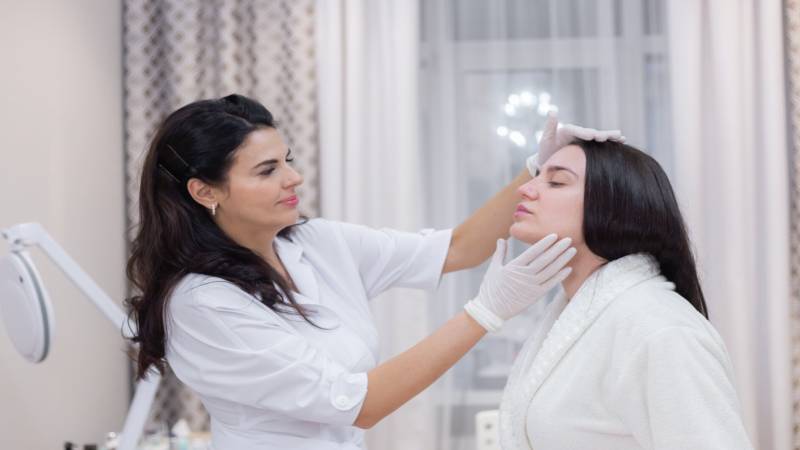
Booking a skin procedure for the first time often comes with a mixture of curiosity, caution, and uncertainty. Whether the appointment involves removing a suspicious lesion, examining a changing mole, or addressing a long-standing skin concern, many patients have questions before walking into the clinic. Visiting a trusted skin specialist adelaide can help provide clarity, reassurance, and professional guidance throughout the process, especially for individuals unfamiliar with in-clinic skin treatments.
Most people are not only concerned about the procedure itself but also about preparation, recovery, discomfort, results, and what the experience will actually feel like. Understanding these common concerns can make the entire process feel more manageable and far less intimidating.
Why First-Time Patients Often Feel Uncertain
Medical procedures involving the skin can feel unfamiliar because they involve visible parts of the body that people monitor daily. Even relatively minor treatments may create anxiety simply because patients do not know what to expect.
For many individuals, uncertainty tends to revolve around questions such as:
- Will the procedure hurt?
- How long will it take?
- Will there be scarring?
- How serious is the issue being treated?
- What happens during recovery?
These concerns are completely normal and are often addressed during the initial consultation phase.
Understanding the Purpose of the Procedure
Before any treatment begins, patients usually want to understand why the procedure has been recommended. Doctors typically explain whether the concern involves:
- Preventive monitoring
- Diagnostic testing
- Removal of a suspicious lesion
- Cosmetic management
- Treatment of sun-damaged skin
This conversation helps patients feel more informed and involved in the decision-making process.
Why Clear Communication Matters
When people understand the reason behind a procedure, they often feel less anxious. Professional explanations also help separate medical facts from assumptions or online misinformation.
Clinicians generally aim to explain:
- What they observed during examination
- Why treatment or testing may be beneficial
- What the expected outcomes are
- Whether follow-up care will be needed
This educational approach helps build trust and confidence.
Questions About Pain and Comfort
One of the most common concerns before any in-clinic skin procedure involves discomfort. Many people worry the treatment may be painful or more invasive than expected.
What Patients Often Discover
Most routine skin procedures are designed to minimize discomfort as much as possible. Depending on the treatment type, clinics may use local anesthetic or numbing techniques to improve comfort during the procedure.
Patients are often surprised by how quick and manageable many treatments actually feel.
Anxiety Around Needles and Minor Surgery
Even small procedures can sound intimidating when words like “biopsy,” “removal,” or “excision” are used. However, doctors typically explain the process step-by-step to help patients feel prepared rather than overwhelmed.
Knowing what will happen before the appointment often reduces nervousness significantly.
Concerns About Recovery Time
Another major question patients ask is how long recovery will take. People want to know whether they can return to work, exercise, or daily activities immediately afterward.
Recovery Depends on the Procedure Type
Healing times vary depending on factors such as:
- The size of the treated area
- The location on the body
- Whether stitches are required
- The individual’s skin healing response
- The specific treatment performed
Doctors usually provide detailed aftercare instructions tailored to the procedure and patient needs.
Questions About Scarring and Appearance
Because skin procedures affect visible areas of the body, appearance-related concerns are extremely common. Many patients want reassurance about scarring, healing, and cosmetic outcomes.
Why Scarring Concerns Are Understandable?
People naturally worry about marks on visible areas such as:
- The face
- Neck
- Arms
- Shoulders
- Legs
Healthcare professionals generally aim to minimize scarring wherever possible while still ensuring proper medical treatment.
Patients are also advised on wound care techniques that support healthy healing during recovery.
The Role of Preventive Skin Care
For many people, an in-clinic procedure becomes part of a broader conversation about preventive skin health. Doctors often use the opportunity to discuss long-term habits that support ongoing monitoring and protection.
Preventive Topics Commonly Discussed
Sun Protection Strategies
Patients may receive guidance on sunscreen use, protective clothing, and UV exposure reduction.
Monitoring Skin Changes
Doctors often explain how to identify suspicious moles or evolving lesions at home.
Routine Skin Assessments
Follow-up appointments may be recommended for ongoing observation and preventive care.
These conversations help patients become more proactive about long-term skin awareness.
Why Professional Guidance Reduces Fear?
A major reason many patients feel relieved after a consultation is that uncertainty is replaced with expert evaluation. Before the appointment, people may spend weeks worrying about online information or worst-case scenarios.
Once they speak with a trained professional, the situation often feels far more manageable and clearly explained.
The Value of Expert Assessment
Professional skin evaluations help:
- Clarify whether treatment is necessary
- Identify concerns early
- Reduce unnecessary anxiety
- Create structured monitoring plans
- Improve patient understanding of skin health
This guidance helps transform fear into informed decision-making.
Technology Has Improved Modern Skin Procedures
Advancements in dermatology and skin imaging have also improved the patient experience considerably. Many clinics now use advanced diagnostic tools that support more precise evaluations and treatment planning.
Common Modern Technologies Include
- Dermoscopy imaging
- Digital mole mapping
- High-resolution skin photography
- Minimally invasive treatment methods
These tools often help procedures feel more accurate, efficient, and reassuring for patients.
Building Confidence Around Skin Health Decisions
Many people delay skin procedures simply because they feel uncertain about the process. However, once they attend a consultation and receive professional explanations, the experience often becomes far less intimidating than expected.
Understanding the purpose of treatment, expected recovery, and long-term benefits can help patients approach procedures with greater confidence and peace of mind.
Why Being Informed Makes the Experience Easier?
In-clinic skin procedures are often straightforward, carefully managed, and focused on both patient comfort and preventive care. While questions and concerns are natural before any treatment, professional guidance helps people feel more informed and supported throughout the process.
As awareness around skin health continues growing, more individuals are recognizing the importance of addressing concerns early rather than postponing evaluation out of uncertainty.
By understanding what to expect before a procedure, patients can make healthcare decisions with greater clarity, confidence, and long-term awareness about protecting their skin health. See more: homenumental.com.