
Your home’s exterior is your primary line of defense against harsh weather elements. Throughout the year, it is dedicated to keeping your family safe and comfortable. But building materials on the outside don’t last forever, though. Your home will deteriorate over time due to constant exposure to the sun, heavy rainfall, and strong winds. By knowing just when to replace critical parts outside the house, you will save a lot of money in the long run. It also prevents severe structural damage that could threaten your entire living space. When you know the signs, you will not have to engage in emergency repairs and can maintain your property at its best at all times.
Signs Your Siding Needs Replacement
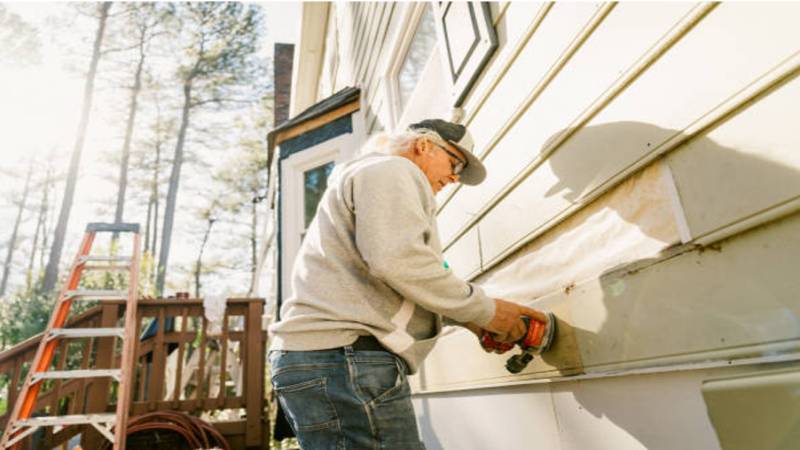
Siding keeps your interior walls safe from damp, intruding moisture and destructive insects. You may begin to see physical deterioration that is quite severe over the years. Always check for any deep cracks, any warped panels, or anything that is physically rotting away. When you have to repaint your house within a period of a few years to make it look good, your siding probably isn’t working. If the interior energy bills are unusually high, it also means that the exterior walls were not properly insulated. When you spot these serious warning signs, consulting with these contractors ensures you receive a thorough and professional exterior assessment.
Knowing When to Replace Your Roof
A strong roof is essential to a totally dry and secure home. Traditional asphalt shingle roofs have a lifespan of approximately twenty years before they are in need of a complete replacement. There are at least two times you should see your roof visually from the ground, once every year. The most significant red flags you simply cannot ignore are missing shingles, bald spots, or curling edges. If you notice small sand particles in your gutters, then the protective outer layer of your gutters is eroding. Also, dark stains on your ceiling indicate that the leak is still active. A leaky roof can cause mold to grow inside and can be very harmful.
Clear Indicators for Window Replacement
Windows are a significant part of your indoor comfort and energy efficiency in your home. The most popular indicator of permanently broken window weather seals is a drafty room. When the window is closed, you should feel a significant wind chill; if you don’t, then your heating and cooling systems are operating a lot harder than they should be. One other obvious sign is when there is persistent condensation between the double glass panes. This moisture traps in the insulating barrier gas, which has been completely lost. It’s also a good idea to replace any windows that don’t open or close well. New windows lower your monthly utility bills effectively.
The Benefits of Updating Your Exterior
For any family, replacing the roof, windows, or siding is a big home renovation project. But the long-term financial gains are greater than the expenses of the construction itself. Making all those changes that you make on the outside of your home can make a huge difference in the overall curb appeal of your neighborhood. A new look lends a fresh appearance to your home, and if you should ever decide to put it up for sale, you’re sure to make it look great! Today’s exterior products also demand much less care than the older traditional products. You won’t have to worry about weekend fixes all the time; you will enjoy your beautiful home. These crucial updates provide unmatched peace of mind during harsh weather.
Conclusion
Nonsense exterior work will eventually result in invasive and extremely expensive interior work. Special attention has to be given to your siding, roof, and windows’ age and condition. Acting now and professionally on these key areas will help to safeguard your greatest personal financial asset. When you act early, you’re able to preserve your home in a beautiful, highly energy-efficient, and safe condition for many decades to come. See more.