
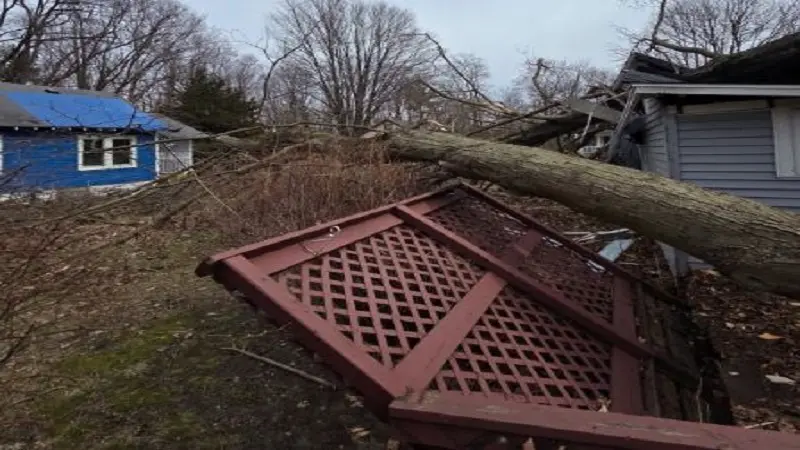
A dead tree has lost all life, while a hazardous tree poses immediate danger due to weak structures. You need to check for fungi, V-shaped unions, and leaning trunks. Schedule an assessment with local professionals to protect your house.
Read this guide to spot dangerous trees early. This knowledge will help keep your family and property safe.
What Are the Differences Between Dead and Hazardous Trees?
Dead trees and hazardous trees create very different risks for your yard. One is completely lifeless. The other might still look green while hiding hidden dangers. This clear table breaks down the main differences.
| Criteria | Dead Tree | Hazardous Tree |
| Life Status | Completely dead with no growth | Can be alive or dead |
| Primary Danger | Slow decay and falling branches | Structural failure and sudden collapse |
| Visual Signs | Bark loss and brittle twigs | Deep trunk cracks and severe lean |
| Urgency Level | Needs planned, timely removal | Requires immediate inspection or removal |
What Are the Reasons that Cause Dead or Hazardous Trees?
Both dead and hazardous trees are triggered by different factors. Sometimes, it can be a natural process, while other times, it’s due to different stressors that can be addressed.
Tree Diseases and Fungal Infections
Fungi often attack trees from the inside out. They destroy structural wood and weaken main roots. Over time, these unseen infections turn sturdy trunks into dangerous hazards.
Insect Infestations and Pest Damage
Pests can rapidly kill healthy foliage and inner wood. As insects feed, they cut off vital water flow. This stress leaves the wood brittle and prone to breaking.
Which Pests Commonly Kill or Weaken Trees?
Several invasive pests attack local trees, weakening their structures and cutting off vital nutrients needed for survival.
- Emerald Ash Borer
- Bark Beetles
- Spongy Moth
- Asian Longhorned Beetle
Storm Damage From Wind, Lightning, or Heavy Snow
Kalamazoo storms can snap heavy branches without warning. Strong winds also loosen root systems in wet soil. A single severe storm can make a healthy tree hazardous overnight.
Drought and Prolonged Environmental Stress
Dry weather starves root systems of essential moisture. Without water, the tree cannot support its heavy canopy. Weakened limbs eventually die and fall during strong winds.
Can a Tree Recover From Severe Drought Damage?
Trees can recover if caught early. Deep watering and organic mulch help restore root health. However, severely damaged branches will not revive and require pruning to protect the tree.
Physical Damage From Construction Activities
Heavy equipment compacts soil and crushes vital roots. Driveways or trenches built nearby often sever main anchor roots. This hidden damage eventually causes the entire tree to lean.
Poor Pruning and Maintenance Practices
Bad pruning cuts open massive pathways for rot. Leaving stubby cuts prevents proper bark healing over time. These weak spots often snap when winter snow accumulates.
What to Do with A Dead or Hazardous Tree?
Dead and dying trees pose constant risks to your home. Taking action early prevents costly emergency damages.
- Schedule professional inspections: Call a certified arborist to check your property. They can spot hidden decay before branches snap.
- Hire local professionals: When you hire a hazardous tree removal service, they use heavy equipment to clear dangerous trunks safely. This protects your home from sudden drops.
- Trim dangerous branches: Cut back heavy limbs growing near power lines. This simple step prevents fires during summer storms.
- Clear nearby areas: Keep vehicles and yard furniture away from leaning trunks. You will reduce property damage if wood falls unexpectedly.
- Monitor weak trees: Watch for new fungal growth or shifting soil. Early warnings give you time to act safely.