
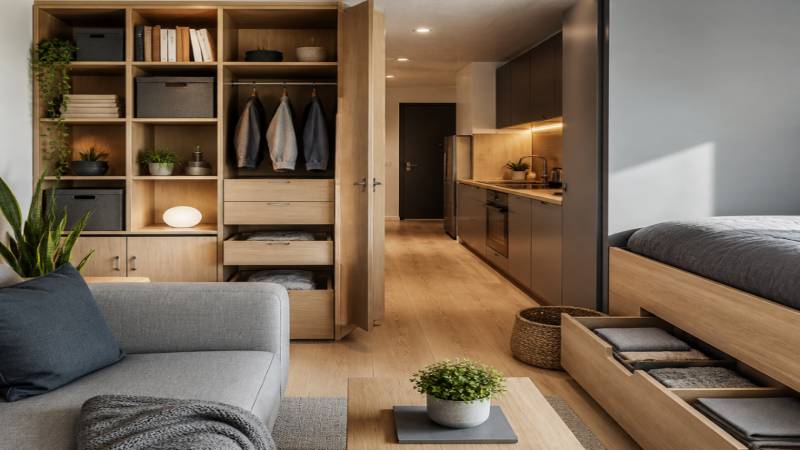
In today’s urban environments, where square footage comes at a premium, the challenge of maintaining an organized, functional living space has never been more pressing. Whether you’re residing in a studio apartment, a modest bedroom, or simply trying to make better use of available space, the principles of intelligent storage can transform cramped quarters into comfortable, efficient homes. The key lies not in acquiring more space, but in using existing space more strategically.
Creating an orderly environment in limited square footage requires a thoughtful approach that balances aesthetics with functionality. By selecting the right storage systems and applying proven organizational strategies, even the smallest rooms can feel spacious and serene. Companies like Organized Living have built their reputation on helping homeowners reclaim valuable space through customized solutions that address the unique challenges of compact living. The transformation begins with understanding your specific needs and identifying underutilized areas that hold hidden potential.
The Foundation of Functional Small Space Design
Before investing in storage solutions, it’s essential to assess your space objectively. Walk through each room and identify zones that aren’t serving a purpose or areas where clutter accumulates. Vertical space often goes unused in small homes—walls can accommodate shelving, hanging organizers, and mounted units that keep floors clear while maximizing capacity. Similarly, the space beneath furniture, inside doors, and above doorways represents valuable real estate for storage expansion.
The psychology of organization plays a significant role in how we experience our living spaces. A cluttered environment can create mental stress and reduce productivity, while a well-ordered space promotes calm and clarity. Studies in environmental psychology consistently show that people report higher satisfaction and better mental health when their homes are organized. This connection between physical order and psychological wellbeing makes the effort to create efficient storage systems worthwhile beyond mere aesthetics.
Bedroom Storage Innovations for Small Spaces
The bedroom presents unique storage challenges, particularly in apartments where closet space is limited or non-existent. Traditional bed frames occupy significant floor space without contributing to storage capacity, but modern alternatives change that equation entirely. Storage bed frames with built-in drawers or lift-up platforms provide substantial hidden storage for seasonal clothing, extra bedding, or personal items that would otherwise require dedicated furniture pieces.
These multi-functional furniture pieces eliminate the need for separate dressers or storage chests, freeing up valuable floor space for movement and other essential furniture. The beauty of this approach lies in its invisibility—storage becomes integrated into the room’s foundation rather than adding visual clutter. When selecting a storage bed, consider the access method that works best for your lifestyle. Side drawers offer easy access but require clearance space, while hydraulic lift mechanisms provide expansive storage but may be less convenient for daily use.
Closet Organization Strategies That Work
For those fortunate enough to have closets, maximizing every inch becomes the priority. Double hanging rods instantly increase capacity by utilizing vertical space that would otherwise remain empty. Shelf dividers prevent stacks of clothing from toppling over, while drawer organizers segment space for accessories, undergarments, and small items that easily become jumbled. Professional organizers recommend modular closet systems that can be adjusted as needs change, providing flexibility as seasons shift or wardrobes evolve.
Seasonal rotation represents another powerful strategy for small closet management. Store off-season clothing in vacuum-sealed bags or containers placed in less accessible locations like high shelves or under-bed storage. This approach keeps current items easy to reach while preventing the overwhelm that comes from viewing your entire wardrobe at once. The act of seasonal rotation also provides natural opportunities to evaluate what you actually wear and release items that no longer serve you.
Multi-Purpose Furniture and Dual-Function Design
In compact living situations, every piece of furniture should justify its footprint by serving multiple purposes. Ottoman storage benches provide seating, surface area, and hidden storage. Nesting tables can be expanded when needed and tucked away when not in use. Wall-mounted drop-leaf tables create workspace or dining surfaces that fold flat against the wall, reclaiming square footage for daily movement. This strategic approach to furniture selection transforms limitations into opportunities for creative problem-solving.
The concept extends beyond individual furniture pieces to entire room configurations. Murphy beds that fold into the wall transform bedrooms into living areas during waking hours. Sliding panels or curtains can create temporary divisions in studio apartments, defining separate zones for sleeping, working, and relaxing without permanent walls that consume space. These flexible solutions acknowledge that small spaces must accommodate diverse activities within the same physical footprint, requiring adaptability rather than rigid arrangements.
Professional Storage Systems and Custom Solutions
While off-the-shelf storage products provide accessible starting points, custom storage solutions deliver maximum efficiency for challenging spaces. Professional systems are designed around specific measurements and usage patterns, eliminating wasted inches and creating tailored solutions for unique architectural features. These installations typically involve adjustable components that can be reconfigured as needs evolve, protecting the investment over time even as circumstances change.
Companies specializing in residential storage bring expertise in spatial planning and material selection that homeowners may lack. They understand load-bearing requirements, proper installation techniques, and design principles that balance accessibility with capacity. While the initial investment may exceed generic alternatives, the long-term value comes from systems that truly fit the space and support daily routines without frustration or wasted effort. The consultation process itself often reveals storage opportunities that weren’t immediately obvious, bringing professional insight to personal spaces.
Maintenance and Sustainable Organization Practices
Creating organized space represents only half the challenge—maintaining that order requires ongoing commitment and realistic systems. The most effective organizational strategies align with natural habits rather than requiring dramatic behavioral changes. If you typically drop keys by the door, install a hook or dish there rather than trying to train yourself to walk across the room. If you read in bed, keep a bedside basket for current books rather than letting them pile on nightstands or floors.
Regular decluttering sessions prevent accumulation from overwhelming even the best storage systems. Many organization experts advocate the “one in, one out” rule: when you acquire something new, release something old. This practice maintains equilibrium and forces intentional consideration of what truly adds value to your life. Annual or seasonal reviews provide opportunities to reassess what you’re storing and whether those items still deserve the precious space they occupy in your home.
Conclusion
Living comfortably in small spaces demands creativity, intention, and strategic use of every available inch. From storage beds that hide belongings beneath where you sleep to vertical solutions that draw the eye upward, effective organization transforms constraints into opportunities. The investment in proper storage systems pays dividends in reduced stress, improved functionality, and spaces that feel larger than their actual measurements. By combining smart furniture choices, professional storage solutions, and sustainable organizational habits, even the most compact living areas can become orderly sanctuaries that support both practical needs and personal wellbeing. See more.