
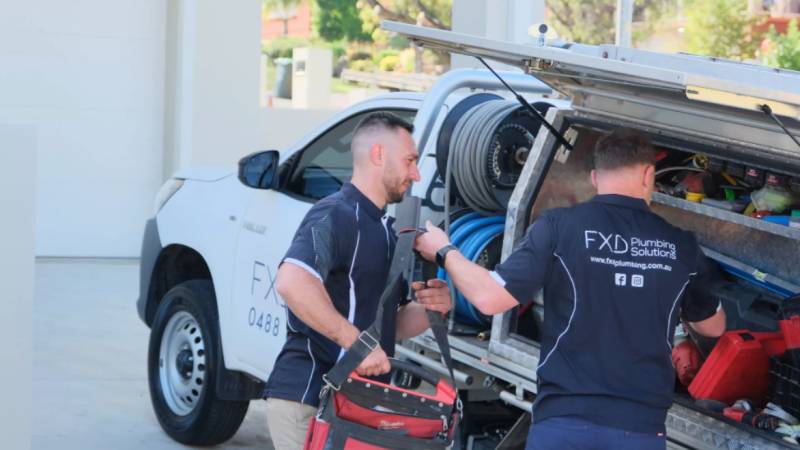
Older homes can offer character, established gardens and locations that are difficult to find in newer developments. However, the plumbing may have been installed decades ago or modified through several renovations. Before committing to a property, speaking with an FXD Plumbing Inner West Plumber expert can help buyers better understand the condition of visible plumbing, drainage and other systems that may require attention after purchase.
An older property does not automatically have poor plumbing. Many homes have been progressively upgraded and maintained over the years. The important thing is to identify what has been replaced, what remains original and whether there are warning signs that could lead to future repairs.
Look for Signs of Leaks and Water Damage
Some plumbing problems leave visible clues even when no water is actively leaking during an inspection. Check beneath sinks, around toilets and near exposed pipes for moisture, staining, corrosion or damaged cabinetry. Walls and ceilings with unusual discolouration, bubbling paint or deteriorated plaster may also indicate current or previous water exposure. Musty smells can be another reason to investigate further, particularly in bathrooms, laundries and enclosed areas beneath sinks.
Not every stain means there is an active plumbing leak. A previous problem may already have been repaired, or moisture may have originated from another source. However, buyers should ask what caused visible damage and whether supporting information about previous repairs is available. Pay particular attention to areas that appear freshly painted or repaired when the surrounding finishes are much older. There may be a perfectly reasonable explanation, but asking questions can provide useful context about the property’s maintenance history.
Test Water Pressure and Fixtures
Turning on taps and showers during an inspection can reveal useful information about how the plumbing performs during normal use. Check whether the water pressure appears reasonably consistent between fixtures. A single tap with poor flow may have a localised issue, while low pressure across several fixtures could justify further investigation. Operate toilets to see whether they flush and refill normally. Listen for water that continues running after the cistern should have stopped filling. Dripping taps and leaking fixtures may be relatively straightforward repairs, but several problems throughout the property can suggest that maintenance has been deferred.
Where appropriate, check how the system responds when more than one fixture is operating. Significant changes in pressure may be worth discussing with a plumber. These simple observations do not replace a professional assessment, but they can help buyers identify questions that should be answered before purchase.
Pay Attention to How the Drains Perform
Older underground drainage can be difficult to assess because most of the pipework is hidden from view. However, the way fixtures drain can provide some early clues. Slow-draining sinks, showers or baths may indicate a local blockage or a broader drainage problem. Gurgling noises and unpleasant drain odours can also justify closer attention. Recurring blockages are particularly important to investigate. Underground pipes may be affected by accumulated debris, damaged joints, ground movement or tree root intrusion, depending on the property and drainage system.
Large established trees near drainage routes do not automatically mean the pipes are damaged, but existing defects can provide opportunities for roots to enter. Where there is a history of recurring drainage problems, a CCTV drain inspection may help assess accessible sections of the underground pipework. This can provide more information than simply clearing a blockage without identifying why it keeps returning.
Understand the Age of Pipes and Hot Water Equipment
Ask what is known about the age and materials of the property’s plumbing. An older home may contain a mixture of original and newer pipework because kitchens, bathrooms and other areas have been renovated at different times. Mixed systems are not necessarily a problem, but understanding what has been upgraded can help buyers anticipate future maintenance. Visible pipework may show signs of corrosion, previous repairs or unusual connections. These should be considered in the context of the wider system rather than assuming that one aged section means all plumbing requires replacement.
The hot water system should also be inspected. Look for information about its age, type and maintenance history where available. Rust, persistent leaking or inconsistent performance may justify further assessment. Buyers should also consider whether the existing system is appropriate for their household. A unit that adequately served the previous occupants may not necessarily suit a larger family with greater hot water demand.
Investigate Previous Renovations and Plumbing Changes
Older homes are often renovated multiple times, and each project can alter the original plumbing layout. A bathroom may have been added, a kitchen relocated or a laundry converted for another use. These changes can create a combination of old and new plumbing throughout the property. Ask whether approvals, invoices or other documentation are available for significant previous work. This can help establish when upgrades occurred and what was changed.
Renovations can also hide older plumbing behind newer finishes. A recently updated bathroom may look modern while still connecting to older pipes elsewhere in the property. If you are planning your own renovation after purchasing the home, understanding the existing plumbing becomes even more important. Moving fixtures or adding bathrooms may require changes to water supply and drainage systems. Identifying these requirements before beginning a renovation can make budgeting and project planning more realistic.
Consider a Plumbing Inspection Before Buying
A general property inspection can identify many visible concerns, but there are situations where a more focused plumbing assessment may be worthwhile. This is particularly relevant when a property has recurring drainage issues, signs of previous water damage, ageing plumbing or major renovations planned after settlement. A plumber can assess accessible components and investigate specific concerns raised during the property inspection. Depending on the circumstances, additional diagnostic methods may be recommended for areas that cannot be assessed visually.
Buyers should also think about potential repairs in terms of priority. A dripping tap is very different from a damaged underground drain or significant hidden leak. Understanding which problems require immediate attention can help with budgeting. No inspection can guarantee that a plumbing system will never develop a problem. Pipes and fixtures can fail unexpectedly even in well-maintained homes. The purpose is to gather more information about the current condition of the property before making a major financial commitment.
Conclusion
Older homes can be excellent purchases, but their plumbing deserves careful consideration. Visible leaks, inconsistent water pressure, slow drains, ageing hot water equipment and undocumented renovations can all provide reasons for further investigation.
Buyers should look beyond individual fixtures and consider how the property’s plumbing has changed over time. Understanding which components have been upgraded and which remain older can make future maintenance easier to anticipate. When there are signs of recurring or potentially significant problems, obtaining professional plumbing advice before purchasing can provide valuable information and help buyers plan for any repairs or upgrades the property may require. See more.