
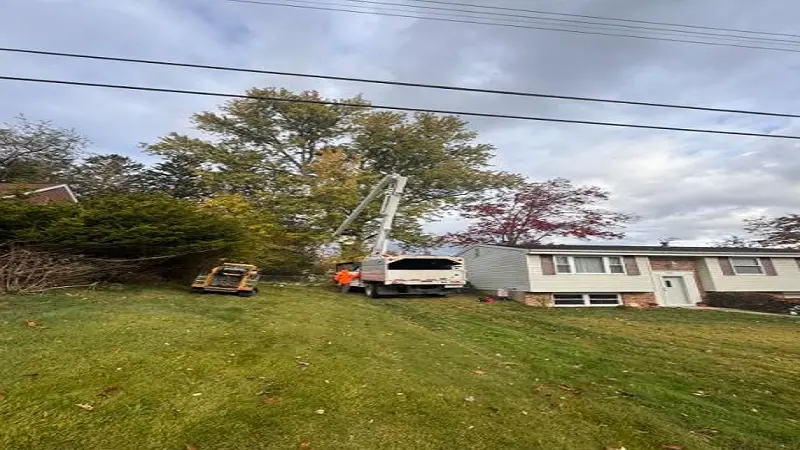
Your healthy trees can quickly become hazardous during storms. Pittsburgh’s extreme weather brings heavy rain and strong winds. These conditions cause soil saturation and internal stress. Sudden fractures can then trigger unexpected limb or tree failures.
Read this guide to spot hidden tree risks. You will learn simple steps to protect your family and property.
What Makes Your Healthy Trees Risky During Storms?
Even healthy trees are not very safe if you don’t take maintenance steps. Here are some steps you should take for long-term safety.
Strong Winds Can Weaken Tree Structure
High winds create extreme pressure on green canopies. River valleys in Pittsburgh often channel these strong gusts. In fact, wind forces can crack thick trunks without warning. Oaks and maples often face severe twisting stress. Repairing this structural damage usually increases professional service costs.
Can Saturated Soil Cause Trees to Fall?
Yes, super-saturated dirt turns into soft mud. Tree roots lose their grip in loose soil. Strong winds then easily push giant trees right over.
Heavy Rain Can Destabilize Root Systems
Prolonged rain turns firm soil into soft mud. When that happens, root systems lose their ground anchor. Pines and pin oaks often tip over during long rainstorms. Wet conditions also require specialized heavy equipment, which raises your removal costs.
Lightning Strikes Can Cause Hidden Damage
Lightning heats tree sap in a fraction of a second. The resulting steam explodes internal wood fibers instantly. You might only see a small bark scar outside. However, deep internal boiling makes the tree hollow and structurally unsafe.
Snow and Ice Can Break Large Limbs
Winter storms add massive weight to broad tree branches. Ice build-up can easily double a limb’s normal weight. Weakened joints snap under this heavy load. Clearing frozen, dangling branches requires complex rigging, so service prices usually rise.
Why Is Storm Damage Not Always Visible Right Away?
Internal wood fibers can crack during high winds. You might not see the deep rot or fractures until the next major storm hits.
Damaged Trees Can Threaten Homes, Vehicles, and Power Lines
Unstable limbs often hang directly above valuable property. When a compromised branch breaks, it damages roofs and crushes parked cars. Falling wood can also snap live utility cables. Removing trees near power lines requires certified experts and costlier safety protocols.
What Signs Should Homeowners Look for After a Storm?
You should look for fresh cracks in the trunk bark. Check for newly leaning trunks, broken limbs, and soil mounding near the base.
Repeated Storm Exposure Can Increase Long-Term Risk
Frequent severe weather creates hidden stress over several seasons. Each storm adds small cracks to the inner wood structure. Over time, these minor flaws grow into major safety hazards. Inspecting these multi-storm structural issues often requires advanced technical equipment.
How to Keep Your Trees Safe During Storms?
Take active steps now to protect your yard. Regular care reduces tree hazards before severe weather hits your home.
- Professional tree service: Schedule routine inspections with a local tree care service. For residents in Pittsburgh and neighboring areas, Solid Oak Tree Service is a trusted name. They spot hidden structural decay before storms strike.
- Prune dead branches: Remove weak or dying limbs regularly. This action prevents heavy wood from crashing down.
- Mulch root zones: Apply fresh organic mulch around tree bases to stabilize soil moisture and protect root health.
- Install tree bracing: Add strong steel cables to weak V-shaped crotches. This extra support keeps large limbs stable.
- Clear nearby debris: Keep ground areas free of loose branches, and clean spaces prevent extra hazards during high wind events.